
How to Use Solar Panels on a Shipping Container
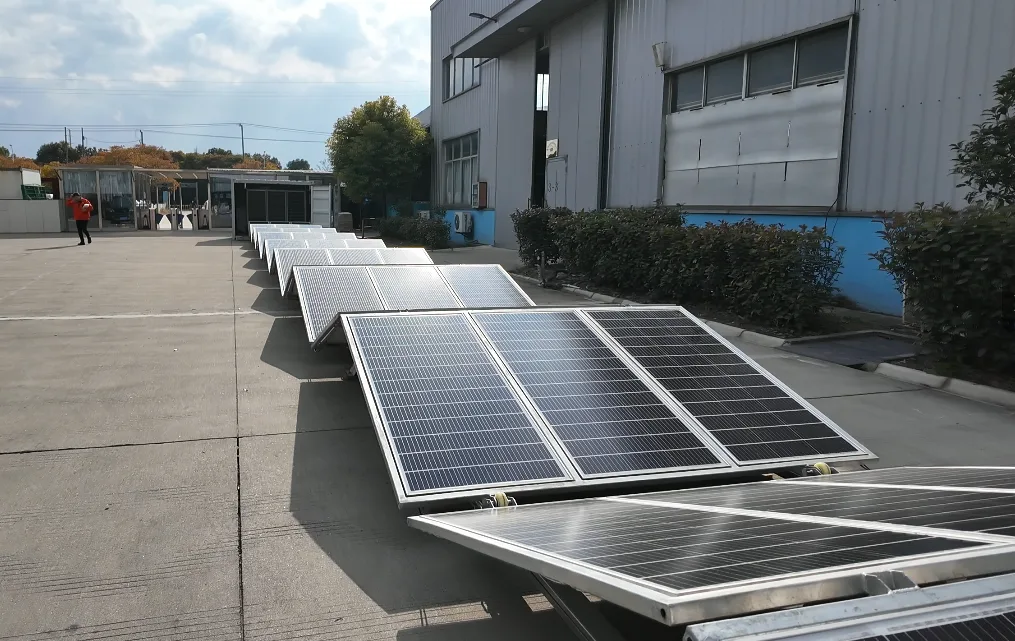
When people first see solar panels on a shipping container, they often ask — “so, how does this thing actually work?” It’s a fair question. A shipping container doesn’t look like a power station, but when fitted with solar panels, batteries, and inverters, it becomes a fully functional, movable energy unit. Here’s a simple guide to understand how to use solar panels on a shipping container in real life.
1. What It Actually Is
Basically, solar panels on a shipping container form a containerized solar energy system. Think of it as a plug-and-play solar generator. It usually includes:
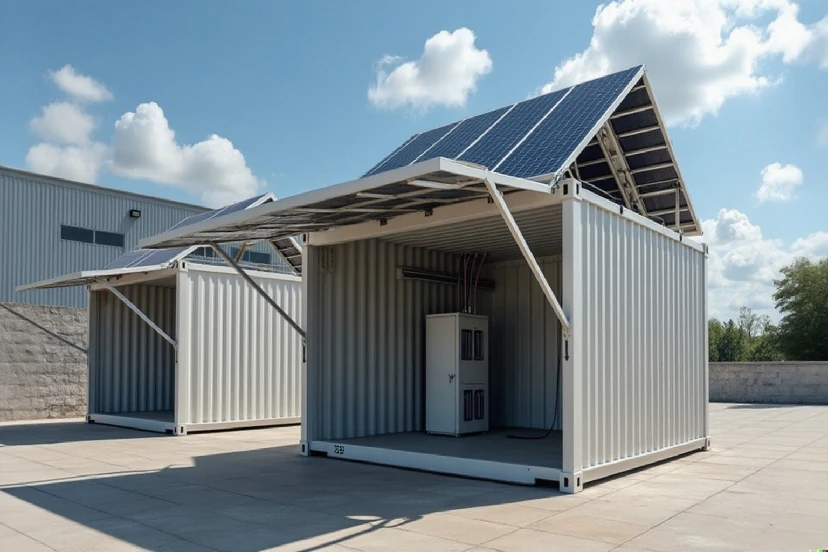
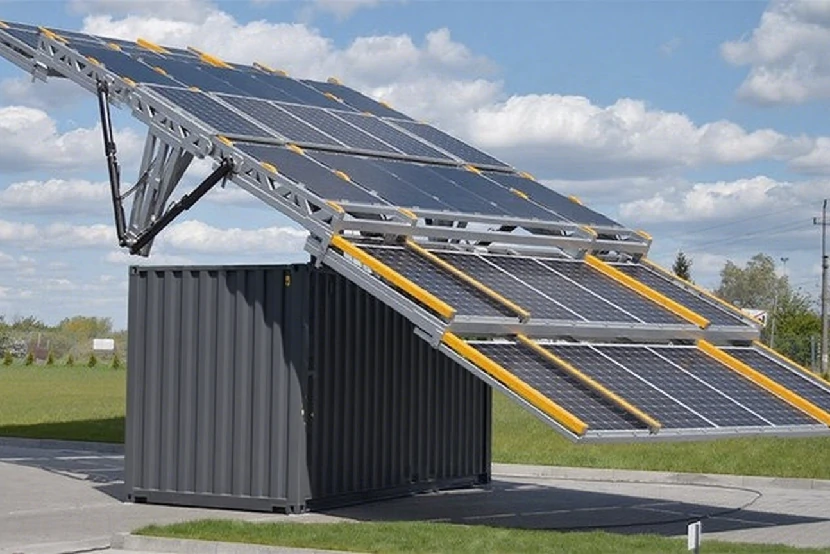
– Solar panels fixed or foldable on the container roof
– Charge controller to manage voltage
– Battery bank (mostly lithium batteries now)
– Inverter to convert DC to AC
– Optional diesel generator or hybrid backup
Everything is packed inside one steel box, which makes it easy to move, deploy, and protect from weather.
2. Setting It Up
If you already have a solar container system, the setup is simple.
- Find a good sunny spot – somewhere with at least 6 hours of direct sunlight. Avoid trees or tall buildings that can block the panels.
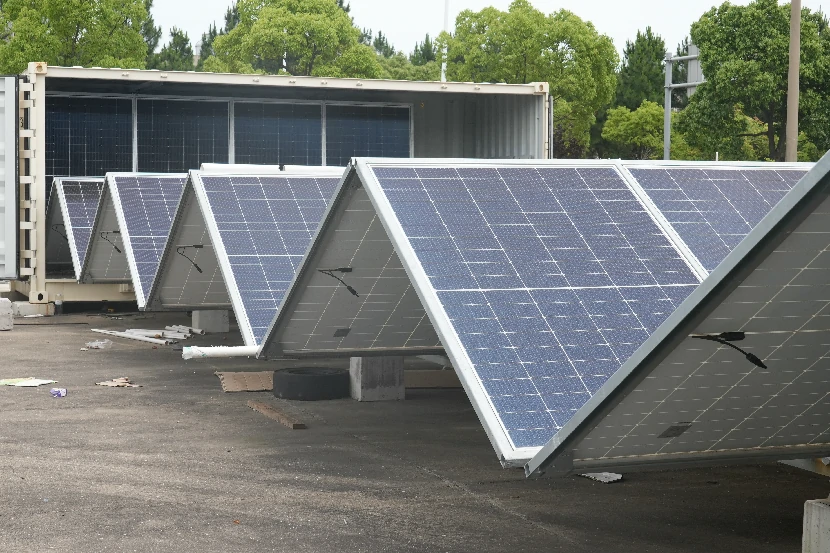
- Unfold or tilt the panels – some designs have fixed panels, others can open up like wings. The more surface area facing the sun, the better.
- Connect the system – check the inverter, combiner box, and battery status. Make sure cables are tight.
- Switch on the inverter and you’re good. The panels will start producing power, charging the batteries automatically.
If you are doing a DIY version, mount panels on the roof using steel brackets, wire them into a combiner box, and connect that to your charge controller and inverter inside the container.
3. Using the Power
Once everything is running, you can use it like a mini power station.
The solar energy flows through this path:
Panels → Charge Controller → Battery → Inverter → AC outlets
You can plug in lights, computers, air conditioners, or even heavy equipment, depending on your inverter size. During the day, solar power runs directly to the load and charges the battery. At night, the stored power keeps things running quietly without any fuel.
Many systems now include an app or digital screen, so you can see how much energy is generated and how full your battery is.
4. Maintenance and Care
One good thing about solar containers is they don’t need much care. Still, a few simple habits help:
– Clean panels monthly (dust and dirt can reduce output).
– Check wires and connections for rust or loosened parts.
– Monitor the battery health — lithium systems usually last several years.
– Keep vents open for good airflow, especially in hot areas.
If you treat the system well, it can easily last over 10–15 years.
5. Where It’s Used
Solar panels on a shipping container are super useful in many scenarios:
– Construction or mining sites far from the grid
– Remote islands and villages
– Disaster relief and emergency shelters
– Outdoor festivals, military camps, or field hospitals
– EV charging stations or telecom towers
Basically, anywhere you need power fast and clean, but can’t rely on the grid.
6. Final Thoughts
Using solar panels on a shipping container is not rocket science. It’s just smart design — turning a regular steel box into a mobile green energy source. Whether you buy a ready-made system or build your own, it’s one of the easiest ways to go off-grid.
And the best part? Once it’s running, you don’t have to worry about diesel, noise, or pollution — just pure sunlight doing its quiet job day after day.
Contact US