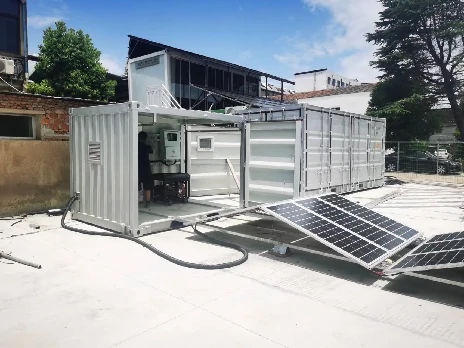
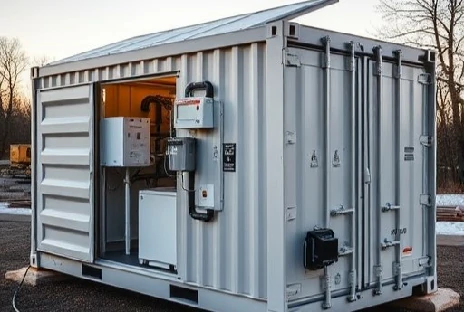
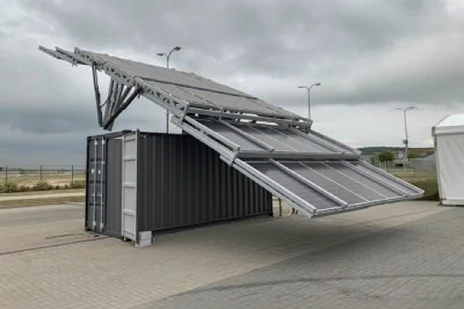
A solar panel is a photovoltaic device designed to capture sunlight and convert it into electrical energy through semiconductor materials. As the most visible and essential component of a photovoltaic system, the solar panel directly determines power generation capacity, system efficiency, and long term performance.
Modern solar panels are engineered to deliver stable output under diverse environmental conditions, making them suitable for both small scale and large scale solar power applications.
A solar panel consists of multiple photovoltaic cells that produce direct current electricity when exposed to sunlight. These cells are typically made from monocrystalline or polycrystalline silicon, chosen for their efficiency, durability, and cost effectiveness.
The electricity generated by solar panels is then transferred to inverters and other system components for conversion, distribution, and use. Panel orientation, tilt angle, and installation quality all play critical roles in maximizing energy yield.
Solar panels are widely used in residential rooftop installations, commercial buildings, industrial facilities, and utility scale solar farms. They are also integrated into off grid power systems, mobile solar solutions, and hybrid energy systems combined with battery storage or backup generators.
In remote locations, solar panels provide reliable electricity for telecommunications, infrastructure projects, and field operations where traditional grid power is unavailable or unreliable.
From an economic perspective, solar panels reduce long term electricity costs and provide stable energy output over decades of operation. From an environmental perspective, they generate clean power with zero emissions during operation. From a strategic perspective, they support energy independence and the global transition toward renewable energy.
With ongoing advancements in photovoltaic materials and manufacturing processes, solar panel technology will continue to improve in efficiency, durability, and application flexibility, reinforcing its central role in future energy systems.
Solar Panel represents a category of solutions, technologies, or insights related to this topic. It is important because it helps users better understand key concepts, applications, and benefits within this field.
Applications of Solar Panel are commonly found in commercial, industrial, and project-based environments. It is typically used to improve performance, optimize workflows, or support technical decision-making.
Key advantages include improved efficiency, reduced costs, enhanced reliability, and better long-term results. Depending on the context, it may also support flexibility, scalability, and optimized resource utilization.
Choosing the right Solar Panel solution depends on your requirements, budget, expected project scale, and performance needs. Comparing features and reviewing real-world use cases can help you make an informed decision.
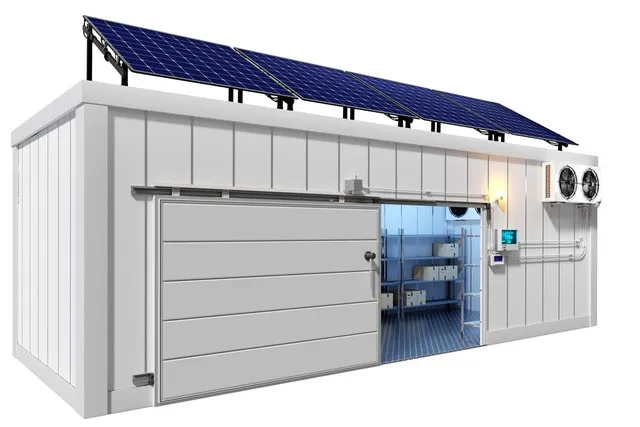
Learn what a solar container cold room is, how it works off-grid, and why it’s used for food, pharma, and remote cold storage.
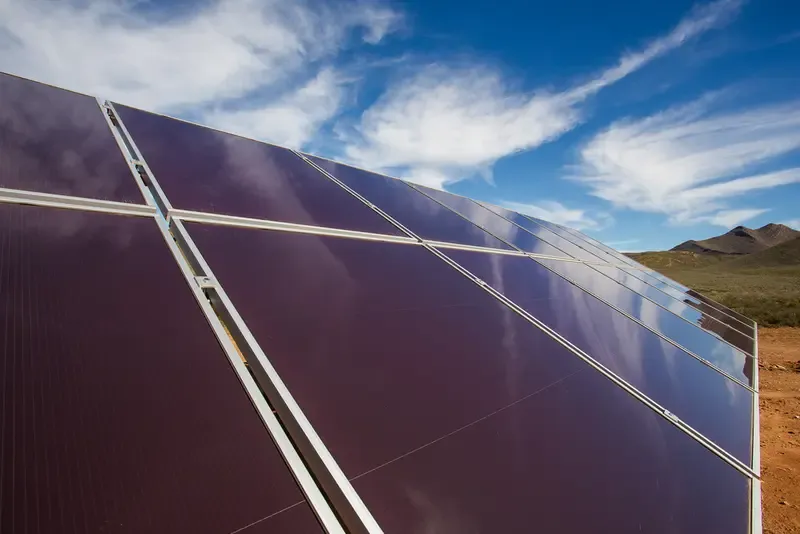
Discover why solar systems are cheaper in Australia, from policy and sunlight to scalable and containerized solar solutions.
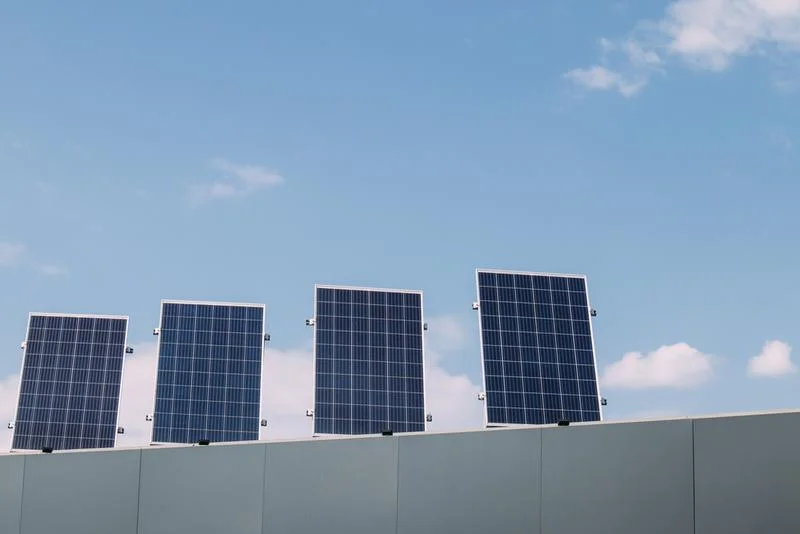
Learn what a solar panel data sheet should include, from electrical ratings to performance conditions, with guidance grounded in non-commercial technical standards.
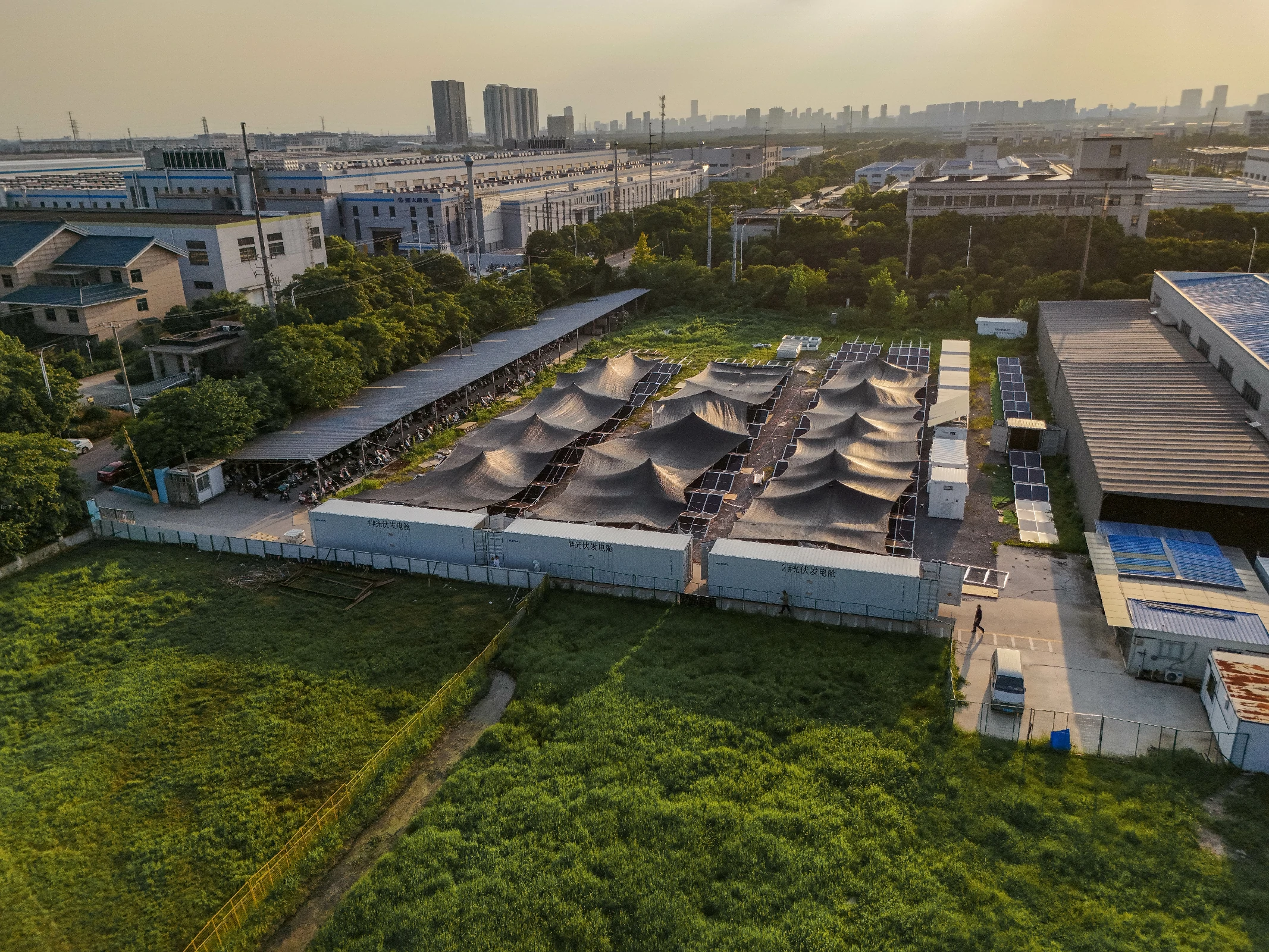
Explore whether solar container systems can operate reliably across hot, cold, humid, and extreme climates, and what technical limits matter most.
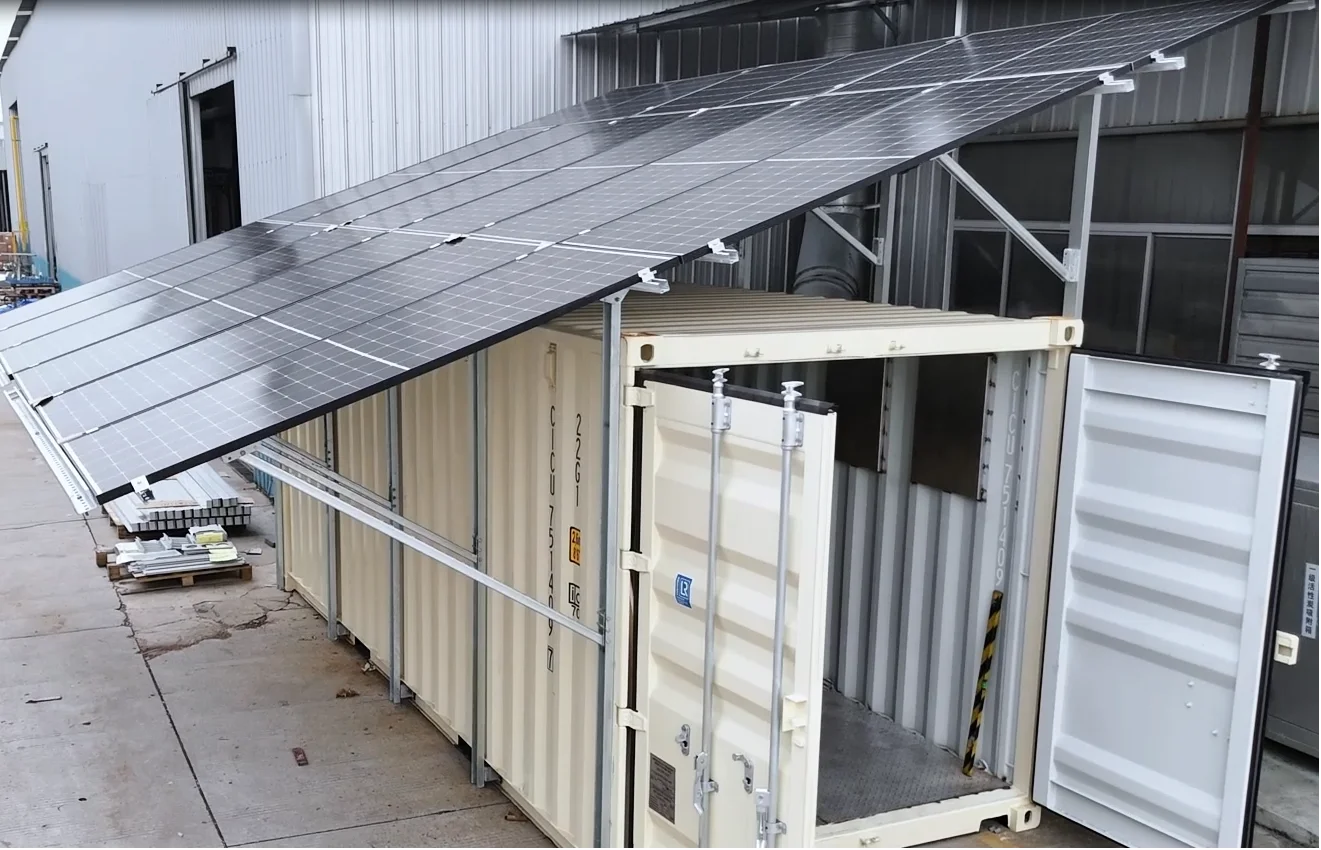
A shipping container with solar panels delivers reliable off-grid power by combining PV generation, battery storage, and smart energy management in a modular, portable system.
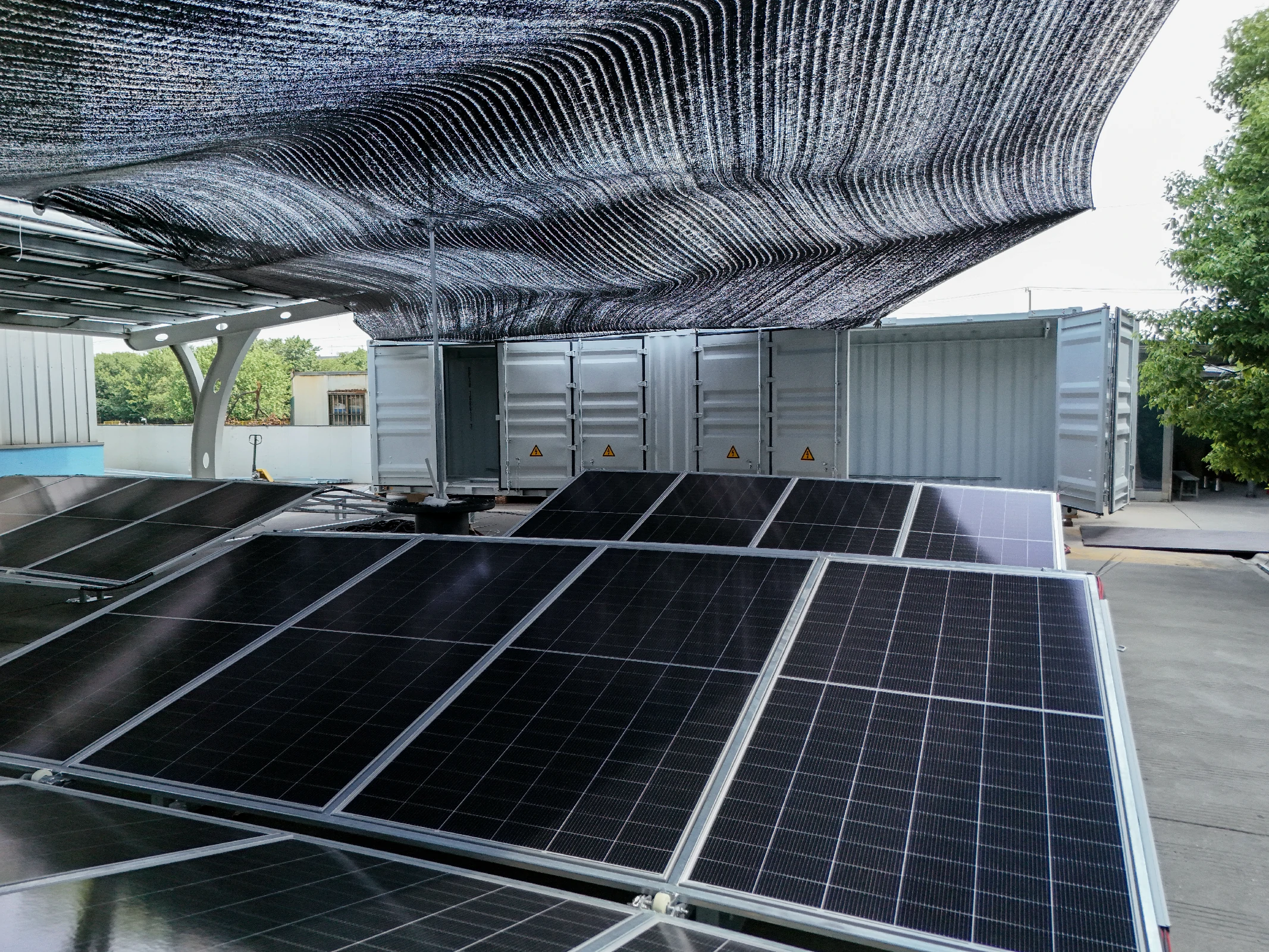
Practical, field-tested strategies to maximize energy output from a mobile solar container, covering design, deployment, and operational optimization.
Get in Touch to Power Your Project with Sustainable Energy