
What Is a Solar Container Cold Room and How Does It Work?
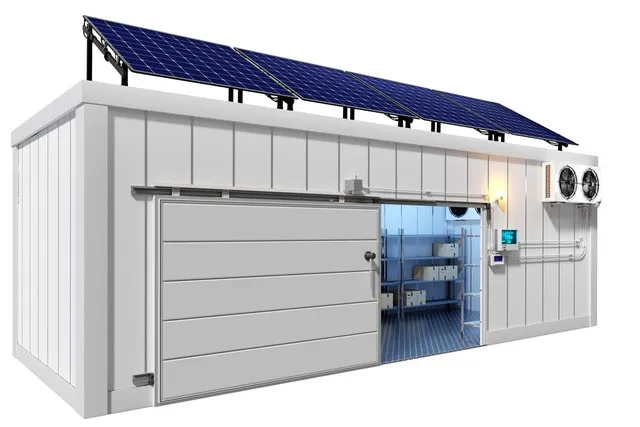
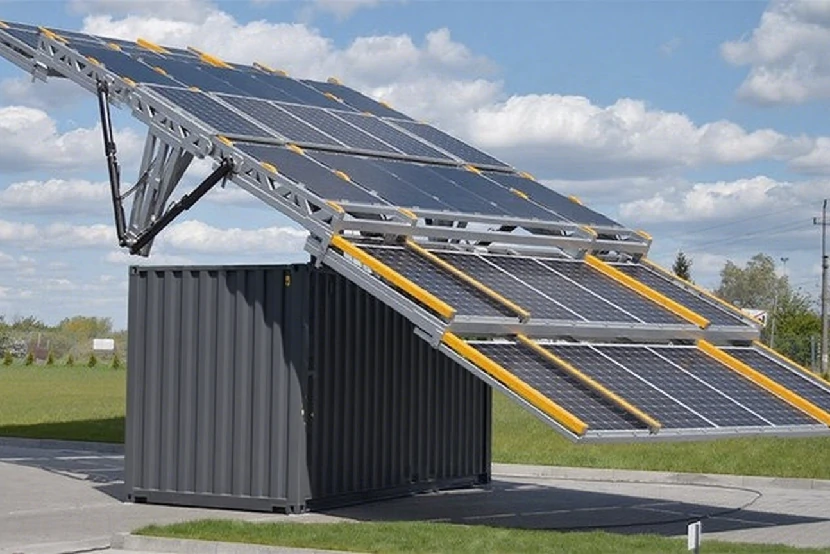
A solar container cold room is an independent refrigerating system placed within a cargo container, which mainly relies on solar energy to function. This device enables constant low temperature for the storage of foodstuffs, vaccines, drugs, or agricultural produce in regions lacking grid electricity. This definition is closely related to the general concept of solar container cold rooms that refer to a system of independent cooling units in remote logistics and off-grid supply chain management.
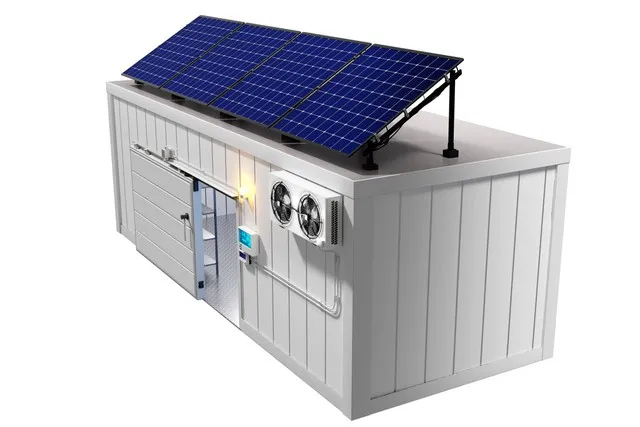
Generally speaking, the solar container cold room consists of three systems: the insulated container body, the refrigeration unit, and the solar-powered electricity generator with batteries.
The increasing demand for energy-efficient cooling solutions is driven by global temperature rise and expanding food and healthcare supply chains. The International Energy Agency’s report The Future of Cooling explains that cooling demand is one of the fastest-growing energy uses worldwide, especially in developing regions where grid access is limited or unstable. This makes off-grid solar container cold room systems increasingly relevant in practical deployment scenarios.
Core Structure of a Solar Container Cold Room
Most systems involve a specially insulated container that could be 10, 20, or 40 feet in size. High density polyurethane or other insulators are installed to prevent any thermal loss. Evaporators in the box will ensure continuous circulation of cold air and maintenance of specific temperature ranges.
Main structural elements include:
- An insulated container
- Refrigeration compressor
- Solar photovoltaic cells
- Battery pack energy storage
- Charge controller and inverter
- Temperature control system
These elements allow maintaining temperature despite the absence of sun or nighttime.
How Solar Energy Keeps the Cool Storage Working
Energy generation and utilization cycle in a solar powered container begins with photovoltaics generating electrical energy. Afterward, it is stored in batteries to keep the system working day and night. The refrigeration system consumes electricity produced by solar panels and/or supplied from the battery bank.
The goal of this system is not maximized energy efficiency, but its constant supply for the refrigeration unit that requires regular cooling cycles to maintain proper temperature. That means, the battery bank becomes a crucial element of such systems.
Thus, in off grid locations this type of technology excludes the need for generators, which are costly to purchase and complicated to maintain in remote areas.
Temperature Control and Cooling Mechanism
The refrigeration mechanism used in the solar energy container cold room is similar to that in traditional vapour compression systems. The refrigerant moves through the coils in the evaporator and condenser, picking up heat from within the container and releasing it outside.
The temperatures are controlled through sensor-actuated compressor cycling mechanisms. Modern-day systems come with digital temperature control capabilities and can maintain temperatures ranging from:
- +2°c to +8°c for medicine
- -18°c or below for frozen cargo
- A variable range for fruits/vegetables
Insulation plays an essential role in the system design since without insulation, the solar power consumption will be significantly higher.
Why Off-Grid Solar Container Systems Are Growing
Off-the-grid solar-powered containers are used more often in areas where there is poor infrastructure, in disaster areas, and within the agricultural chain. These systems address an essential question: How do we maintain perishable products without an electricity grid?
The main factors that have encouraged their use include:
- Rural healthcare delivery
- Decrease in postharvest losses of food
- Humanitarian logistics
- Expensive diesel refrigeration
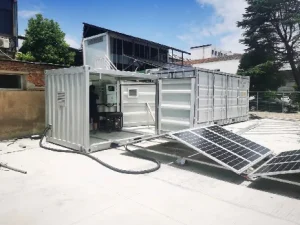
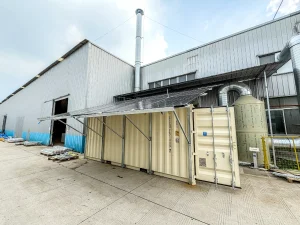
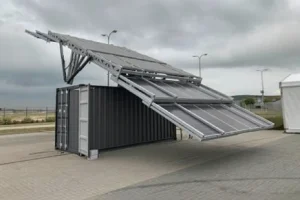
The system is also mobile since the cold storage unit within the container can be loaded into a truck and set up in less than 24 hours.
Energy Efficiency and System Optimization
Efficiency in energy use is the most critical factor when designing any system. Given the nature of solar power, the systems should always strive to achieve an ideal balance between the amount of energy produced, stored, and consumed.
Efficiency improvement methods usually include:
- Highly efficient compressors
- Load control mechanisms
- Thermal mass storage to mitigate temperature fluctuations
- Battery management systems
- Enhanced insulation materials
The IEA study on cooling technologies stresses that efficiency improvements should not be ignored as much as efforts towards expanding energy supplies, as the demand for cooling is likely to increase sharply in the coming decades.
Applications in Real-World Scenarios
Solar-powered cold room containers are employed in several industries:
Healthcare and Vaccine Programs
These help keep vaccines potent in rural health facilities where electricity is not dependable. It is imperative that vaccines are kept within certain temperature ranges, otherwise they will be rendered ineffective.
Agricultural Industry and Food Supply Chain Management
Farming communities utilize them to preserve their products, which consist of fruits, vegetables, dairy products, and meats, thus minimizing waste while maximizing marketability.
Emergency Response Teams
In times of disaster or crisis, these refrigeration units can provide instant cold storage for drugs and food supplies without the need for any set-up.
Commercial Refrigeration in Rural Regions
Mining sites, fishing villages, and other rural areas rely on them to preserve their goods when conventional refrigeration systems cannot be utilized.
Strengths and Weaknesses
Some of the strengths are:
- Complete independence from grid electricity
- Decreased expenses due to lower energy consumption
- Portability and easy assembly and disassembly
- Fast and efficient deployment
- Low emissions as compared to fossil fuel-based generators
On the other hand, some weaknesses are:
- Expensive to manufacture
- Weather sensitivity and dependence
- Declining battery life over time
- Maintenance and repair required by trained personnel
Conclusion
The solar powered cold room container can be termed as an example of merging renewable energy with cold chain logistics. This is achieved through the integration of solar energy, energy storage capability, and the insulated refrigeration unit into one container that can be moved anywhere depending on its purpose.
This technology becomes very valuable when there is poor infrastructure but high demand for cooling facilities in various sectors including medical supplies, agricultural goods, and emergency services. With the increase in the demand for cooling globally, there will come a time when such technologies will become part of the cold chain infrastructure.
Those interested in using such a system should ensure proper planning in terms of capacity, quality of insulation, and energy storage. Such a system will be able to run on its own without any external support while maintaining temperature standards.
Contact US