
Why Solar System Costs Are So Low in Australia
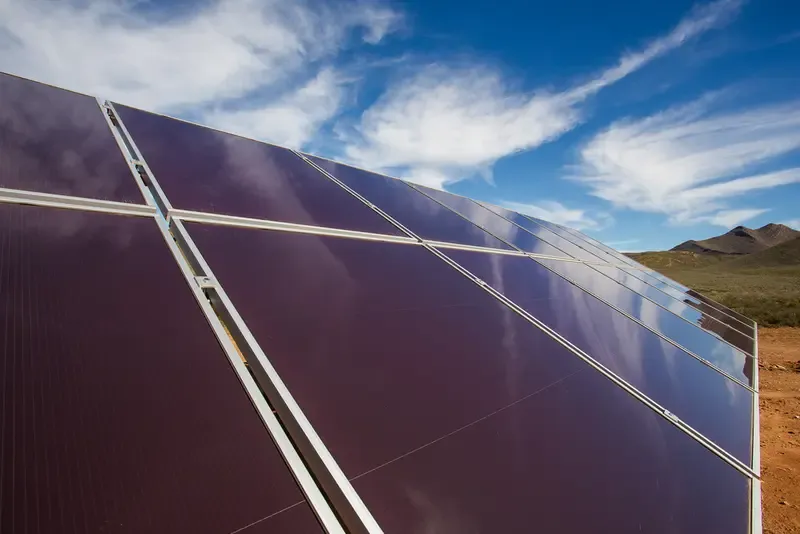
Australia is now one of the cheapest places in the world to install a solar system, with people and businesses paying less per watt of a solar system compared to other developed countries in the world. This is not because of a single reason, however. It is a combination of geography, government policies, market maturity, and design and technology innovation in solar system installation, including containerized solar system solutions.
To really get a grasp of why solar system installation is cheaper in Australia, one must go beyond just the price of solar panels.
What Makes a Solar System Cheaper in Australia?
On a very basic level, a solar system installation is made up of hardware, labor, permitting, and efficiency, and Australia is ahead in all of these aspects.
High Solar Irradiance Reduces Cost per Output
Australia receives some of the highest solar radiation levels in the world. This implies that a given solar system will be able to generate more electricity per installed kW than what would be achievable in regions such as Europe or North America.
More electricity from a given solar system implies a reduced cost per unit of electricity. This is because, even if the initial costs of installing a solar system were equivalent, a better return on investment would be achievable.
Standardized Installation Practices
Australia’s solar industry is highly developed. This implies that solar installations are done in a streamlined fashion. Moreover, solar installations tend to be standardized.
This helps to minimize costs such as design, engineering, and acquisition, which tend to form a huge proportion of costs associated with solar installations in other parts of the world.
Competitive Installer Market
Australia has a high density of solar installers that compete with each other on price. This has the effect of lowering the margins but is good for the end users.
Unlike the traditional market structure that is dominated by a few players, the solar installer market maintains a healthy and transparent pricing structure.
The Role of Government Policy and Incentives
Government policy and incentives have a key role to play in making solar systems more affordable for the Australian population.
Upfront Subsidies Reduce Initial Cost
The Australian government’s Small-scale Renewable Energy Scheme (SRES) provides a financial incentive in the form of certificates that can be claimed when purchasing a solar system.
This has the effect of reducing the initial cost of the solar system and making it more accessible to the population at large.
Long-Term Policy Stability
Australia differs from regions where incentives tend to fluctuate. This stability has been a major contributor to a relatively consistent solar policy over time. This has been beneficial in ensuring investment and optimizing operational efficiency.
Stable demand results in economies of scale, which in turn helps minimize costs.
How Supply Chain Efficiency Lowers Prices
Australia has a highly optimized solar supply chain.
Proximity to Manufacturing Hubs
Most solar panels and components are manufactured in Asia. Australia’s proximity to manufacturing hubs helps minimize costs.
Bulk Import and Distribution Networks
This is because a high volume of imports allows distributors to acquire goods at a lower price. These benefits are then transferred down the chain to the installer and eventually the consumer.
Labor and Installation Efficiency
Although labor costs in Australia may not be particularly low, installation efficiency is high.
Faster Installation Times
Installation times for residential systems can be completed in a single day due to the experience of the installation crew. This equates to a reduction in labor hours per installation.
Simplified Roof Designs
Residential roof structures in Australia tend to be simpler compared to older housing stock in other countries.
The Impact of Containerized Solar System Design
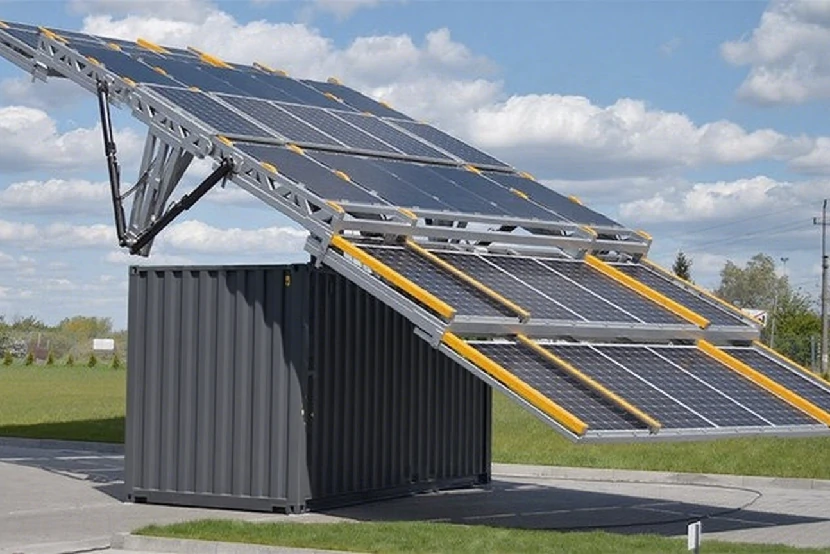
Another area that has perhaps not been considered to the same extent is the actual design of the system. Containerized solar systems are becoming much more relevant in this day and age.
What Is a Containerized Solar System?
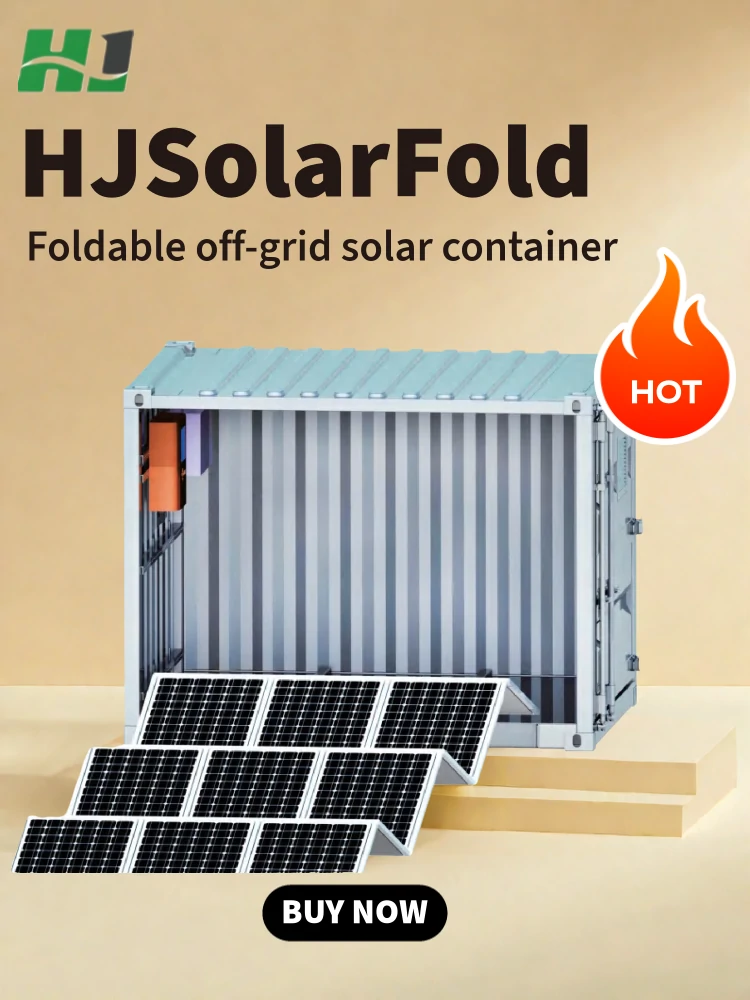
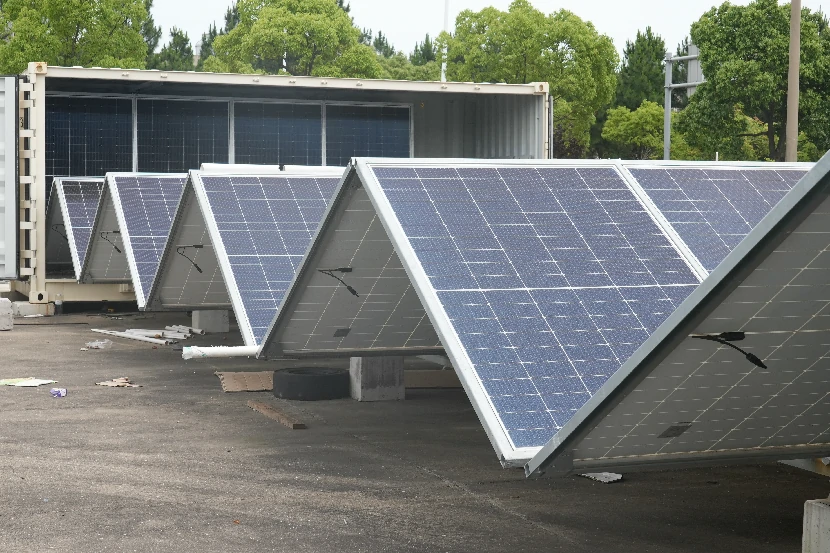
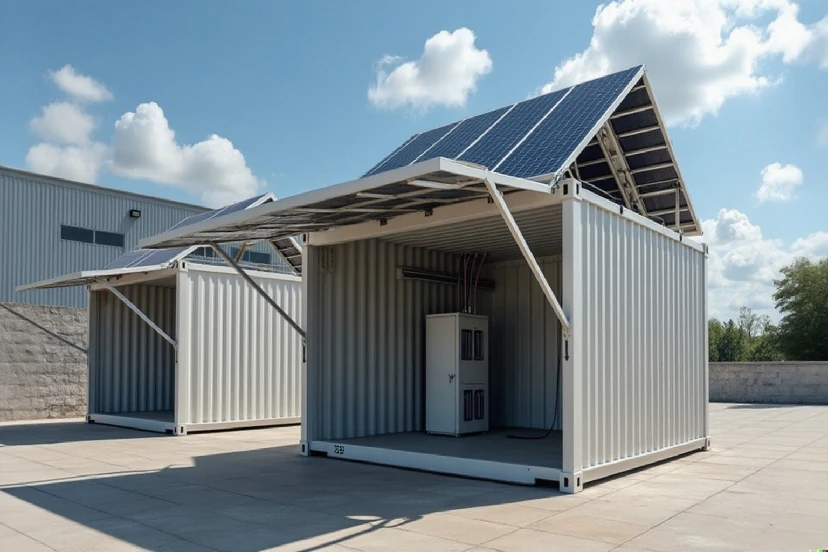
A containerized solar system combines solar panels, inverters, batteries, and control systems in a pre-designed and engineered package, often in a shipping container.
This eliminates much of the work that would have to be done on site.
Reduced On-Site Labor and Engineering
Since the solar system has already been pre-assembled and pre-engineered, this eliminates much of the work that would have to be done in the field.
For a country like Australia, this type of solar system would be ideal due to the number of off-grid applications.
Scalability and Repeatability
With containerized systems, there is an ability to scale up in a modular way. This enables rapid scalability without having to start from scratch for each project.
Standardization also increases efficiency in manufacturing, logistics, and deployment, thereby increasing cost savings.
Less Risk and Faster Deployment
With pre-configured systems, there is reduced project risk. There are fewer unknown variables during deployment, which reduces contingency costs and speeds up the process.
For commercial users, rapid deployment also enables rapid return on investment.
Cost Breakdown of a Typical Solar System
In order to appreciate why solar energy is cheaper, there is a need to consider the cost breakdown.
The study titled U.S. Solar Photovoltaic System Cost Benchmark, published by the National Renewable Energy Laboratory, shows that total system cost includes hardware, soft costs, and installation labor, with soft costs often representing a significant portion of total expenses.
For example, in Australia, many of these soft costs, like permitting, marketing, and system design, are much lower due to their simplified processes.
Why Australia Outperforms Other Markets
There are many countries with high solar adoption, but what makes Australia different from the rest is the presence of several factors that do not occur simultaneously in many countries.
Minimal Bureaucratic Barriers
The process of obtaining permits and connecting to the grid is relatively simple. In contrast, many countries have complex regulations that make the process much more expensive and time-consuming.
High Consumer Awareness
Solar adoption has already been widely adopted in Australia. This means that there is no need to educate and persuade consumers to use solar power.
Favorable Economics Without Heavy Reliance on Feed-in Tariffs
Where other countries are highly dependent on feed-in tariffs to support the viability of solar, Australia’s economic conditions are favorable without significant ongoing subsidies.
The high cost of electricity coupled with high solar output makes self-consumption highly desirable.
Practical Takeaways for Buyers and Developers
Australia’s experience holds a number of lessons for anyone looking to consider solar investment or deployment strategies.
First, standardization of systems plays a role in lowering costs, whether it’s traditional systems or newer concepts like a containerized solar system.
Second, policy stability is more important than incentives, as it leads to long-term efficiency gains for the industry.
Third, optimizing soft costs can be as significant as lowering hard costs, as it plays a crucial role.
Lastly, scalability is a crucial aspect to consider when it comes to system design, as it not only reduces costs but also speeds up the deployment process.
Conclusion
The solar system in Australia is also cheaper due to the presence of several factors that reduce costs. Among these factors are the high solar output, efficient solar system installation, and the presence of healthy competition. In addition, the increasing use of containerized solar system solutions also adds to the benefits.
For anyone considering solar, the key to getting a solar system installed is not only to choose the right equipment but also to grasp the concept of how solar system design, solar system installation, and solar system conditions work. By using these concepts, especially the concept of modularization and process optimization, costs can be reduced.
Contact US