
How a Shipping Container with Solar Panels Creates Reliable Off-Grid Power
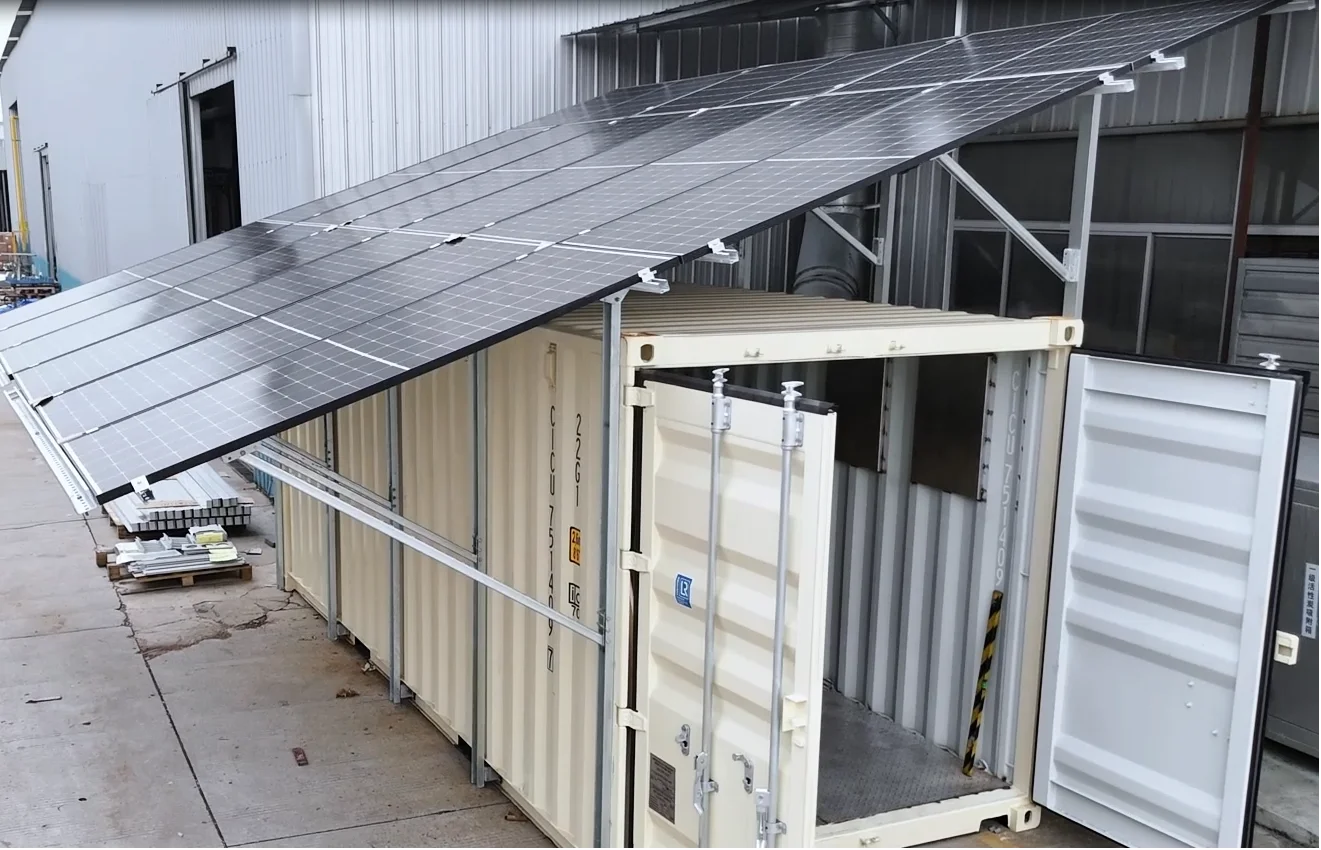
For a long time, accessing reliable power in remote areas often meant relying on noisy, polluting diesel generators and complex on-site construction. Now, a new paradigm has emerged: the shipping container with solar panels. This is far more than just a box with photovoltaic modules on top. It represents a sophisticated, self-contained energy ecosystem—a modular microgrid—that is fundamentally transforming how we deploy and access electricity anywhere in the world.
I. Anatomy of a Portable Power Plant
The core of this system lies in transforming a standard steel intermodal shipping container into a plug-and-play utility. The innovation is not in any single component, but in their ruggedized, seamless integration:
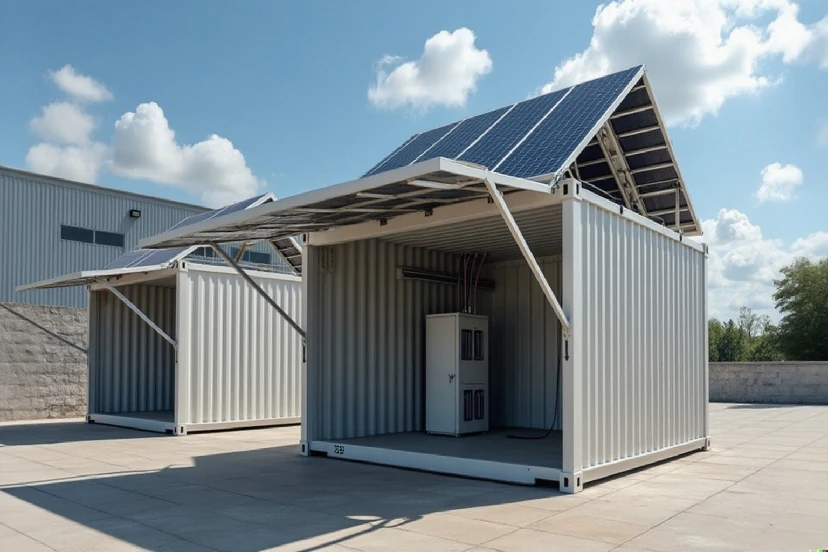
Robust Shell: The standard ISO shipping container provides a universal, extremely durable, and transportable frame. Modified with ventilation, climate control (crucial for battery longevity), and security features, it becomes a weatherproof fortress for sensitive electronics. This embodies the concept of a container with built-in solar panels, emphasizing integrated design.
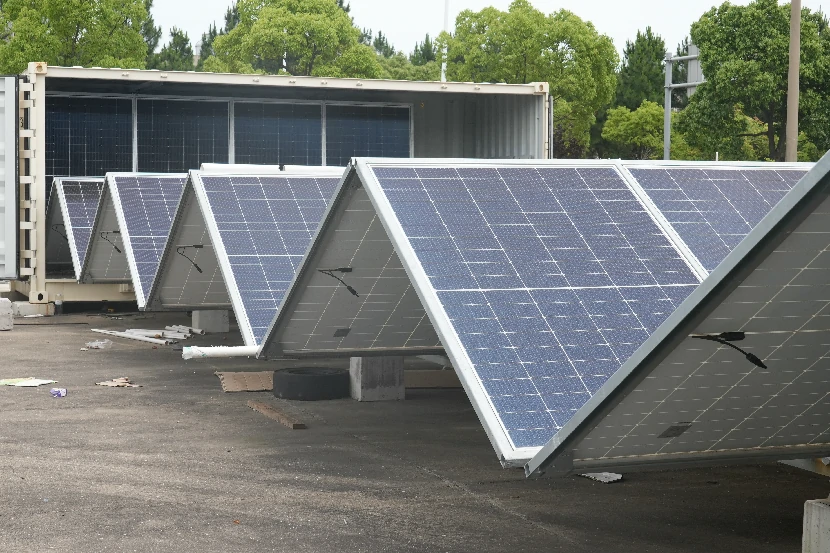
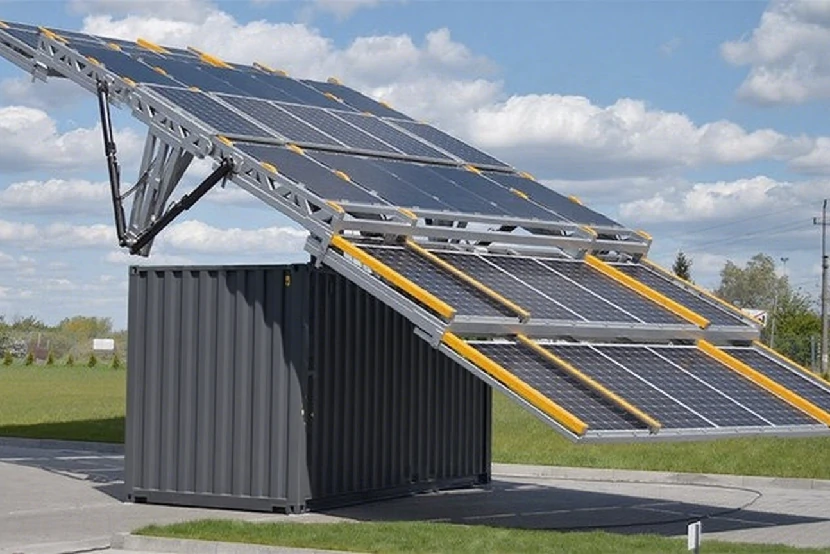
Energy Harvesters: High-efficiency photovoltaic panels, often mounted on tracking systems or deployable ground arrays, capture solar energy. Their design maximizes power yield even in suboptimal light conditions.
The Heart and Brain: Inside the container lies the lithium-ion battery bank for energy storage, hybrid inverters that manage AC/DC conversion, and the intelligent Energy Management System (EMS). The EMS is the true innovative core; it continuously optimizes charge-discharge cycles, prioritizes loads, and enables remote monitoring via satellite or cellular networks, forming a complete shipping container solar power system.
II. Engineered Reliability: Beyond Sunlight Itself
Reliability is the paramount design goal, achieved through multi-layered engineering:
1.Decoupling Supply from Demand: PV panels generate power during the day; the battery bank acts as a “buffer,” separating energy production from immediate consumption. This ensures 24/7 availability, overcoming solar power’s inherent intermittency.
2.System Resilience: These units are built for harsh environments. The container itself provides protection against dust, sand, moisture, and physical impact. Internal components are selected for industrial-grade durability, and critical systems often include redundancy to eliminate single points of failure.
3.Predictive and Adaptive Operation: The integrated EMS uses real-time data and predictive algorithms to proactively manage energy. It can “ration” power during forecasted low-generation periods or seamlessly initiate backup systems, guaranteeing uninterrupted output. This intelligence is a key feature of a modern solar powered shipping container.
III. The Core Innovation: Plug-and-Play Scalability
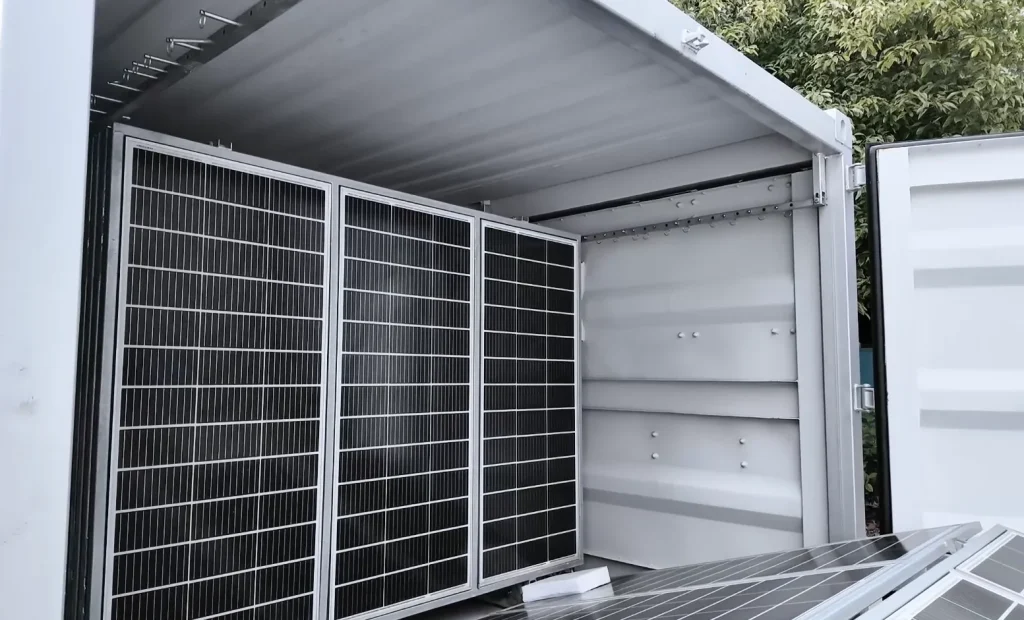
The groundbreaking advantage is modular scalability. A single 20-foot or 40-foot container can power a remote clinic or construction site. However, the true potential is realized when demand grows. Additional “PowerCube” modules—dedicated to generation, storage, or even housing backup biofuel generators—can be linked via standardized connectors. This creates a scalable microgrid where capacity can be added or reconfigured as easily as stacking building blocks, without complex on-site engineering. This flexible configuration perfectly illustrates the core concept of an off-grid solar container unit.
IV. Transformative Applications: Energy-on-Demand
This portability and reliability unlock transformative application scenarios:
Humanitarian Aid & Disaster Response: Can be deployed within hours to power field hospitals, water purification units, and communication hubs, often transported via the same logistics chains used for other aid supplies.
Decentralized Infrastructure: Powers remote cellular towers, water pumping stations, or agricultural monitoring systems, eliminating the cost and carbon footprint associated with diesel supply lines.
Sustainable Industrial Operations: Provides clean primary power for mining exploration, film production on location, or scientific research stations, dramatically reducing operational noise, pollution, and fuel logistics burdens.
Energy-as-a-Service Model: Companies can lease these mobile solar units for temporary events, specific construction phases, or as a bridge during grid upgrades, paying only for the power they use.
V. The Bigger Picture: A Grid for the Frontiers
The containerized solar system is more than just a technical solution; it symbolizes a shift toward democratized, decentralized energy. It delivers grid-comparable reliability to the “last mile” of global infrastructure—whether that mile is in a remote community, a disaster zone, or an industrial frontier. By integrating renewable energy generation with smart storage in a globally standardized package, it offers a faster, cleaner, and often more economical alternative to traditional fossil-fuel-dependent off-grid power.
In essence, it captures the infinite, widely distributed power of the sun, packages it with 21st-century battery technology and digital intelligence, and delivers it using one of the 20th century’s most iconic symbols of globalized trade: the shipping container. The result is a truly reliable, off-grid power solution whose mobility and adaptability are equal to the diverse challenges it is designed to solve.
Contact US