
What Should a Solar Panel Data Sheet Contain

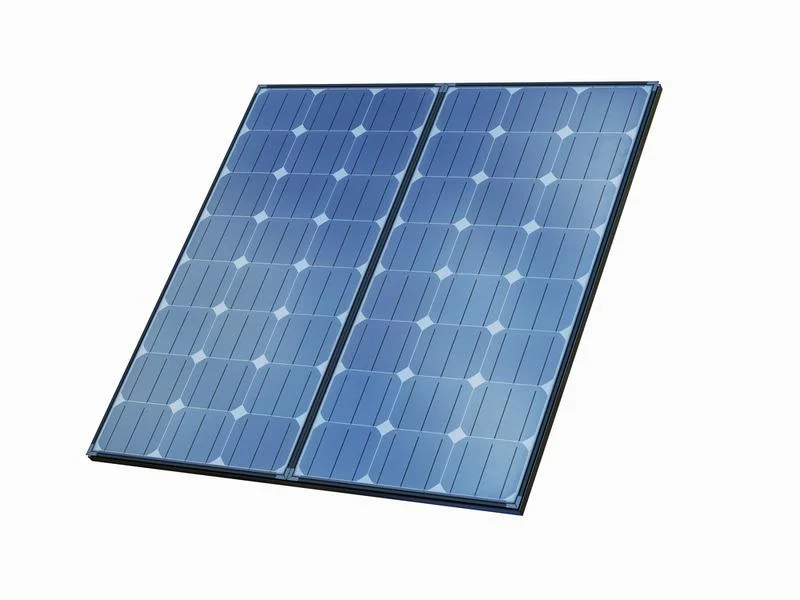
A solar module specification sheet is the technical document buyers, engineers, and installers use to determine if a module is suitable for a particular application. To those who are shopping for a solar panel for home, business, or utility use, the data sheet is definitely not a sales flyer. In fact, that’s the information on which you want to base your decision — how does the module perform electrically, mechanically and in actual operating conditions. When interpreted properly, it will tell you not only how much power the panel is capable of producing under ideal laboratory conditions, but how much energy you can expect it to produce in the field.
Why the solar panel data sheet is more important than the brochure
Brochures sometimes focus on maximum power or maximum efficiency alone. A data sheet, on the other hand, provides information for system design, compliance verification, and long-term performance expectations.
From a technical perspective, the U.S. National Renewable Energy Laboratory’s publication Standards for PV Modules and Components shows that standardized parameters such as rated power, temperature coefficients, and electrical limits exist specifically to allow fair comparison and safe system integration across different photovoltaic modules. The study explains that consistent reporting of these parameters is essential for accurate performance modeling and system reliability.
In a nutshell, a missing or vaguely stated value on a datasheet makes it more difficult to properly design the system and easier to have costly missteps.
Basic Electrical Parameters Every Data Sheet Should Have
Nominal power and conditions of measurement
One of the first figures most readers will want to find is the strength of the module, which is given in watts (Wp). This value is determined at the Standard Test Conditions (STC), for which the irradiance, cell temperature and air mass are defined.
A clear data sheet will state that:
- Rated maximum power (Pmax)
- The test condition under which Pmax is determined
Without the test conditions, the power rating is an incomplete information and can be misinterpreted.
Voltage and current parameters
A solar panel data sheet usually has the following key electrical operating points:
- Voltage at maximum power (Vmp)
- Current at max power (Imp)
- Open-circuit voltage (Voc)
- Short-circuit current (Isc)
These are key for string sizing, inverter matching and safety calculation. Even slight variations in Voc can make a difference when panels are installed in cold climates.
Performance behavior beyond ideal conditions
Temperature coefficients
Solar panels do not operate at 25 °C most of the time. As temperature rises, voltage drops, and overall power output changes.
The data sheet should include temperature coefficients for:
- Power
- Voltage
- Current
The study titled IEC 61853-1 Final Report, published by Sustainable Technologies Canada, shows that performance under varying irradiance and temperature conditions provides a more realistic picture of how a module behaves in the field, beyond a single STC rating. These coefficients allow designers to estimate losses or gains under real operating temperatures.
Nominal operating cell temperature (NOCT)
NOCT is a prediction of the temperature at which the cells will operate in the outdoors. Having a well defined NOCT value allows for better conversion of laboratory ratings to outdoor real world expectations, this is very useful for rooftop applications where airflow is very limited.
Mechanical and physical specifications
Size, weight and construction
Physical details like those stated below are typically including in a datasheet for solar panel: –
- Length, width, and height
- Total weight
- Material Frame
- Layered front and rear materials (glass, backsheet or glass-glass)
These values determine the compatibility for installation, transport, and structural load.
Mechanical load ratings
Snow and wind loads aren’t optional facts of life. — The maximum mechanical load ratings (front and rear) for the solar modules should be specified in the datasheet and given in pascals. This is particularly important for installations in areas susceptible to heavy snow or strong winds.
Electrical limits and safety-related data
Maximum system voltage and fuse rating
It is expected that every solar panel data sheet explicitly mentions:
- System voltage maximum
- Maximum series fuse rating
These parameters have a direct impact on the string design and string protection. Not stating them makes the installers to guess or look for secondary documents, which increase the risk.
Fire and safety ratings
Though more detailed certifications may be found elsewhere, relevant safety classes or compliance with standards of conduct is normally summarised on the data sheet. This be referenced readily against local code requirements.
Efficiency and power tolerance information
Module efficiency
Efficiency is something that you usually see emphasized, but on a datasheet it should be a calculated figure based on the module rated power and module area. This allows fair comparison across different panel sizes.
Power tolerance
The power tolerance defines the uncertainty in the difference between the labeled power and the power that actually gets delivered from the module. As either a a positive only or a plus/minus range, it provides some insight for the buyer into manufacturing variability.
Performance data at multiple operating points
Low-irradiance performance
A good data sheet is more than just an STC and also contains performance information under lower levels of irradiance. This is particularly applicable in cloudy regions or at early and late hours of the day.
According to the IEC 61853-1 Final Report, expressing performance as a function of varying irradiance and temperature enables system designers to perform more accurate energy-yield modeling over the course of a year, as opposed to using a single peak value.
Environmental and operational conditions
Range of operating temperature
The active operating temperature range defines the boundaries within which the module operates reliably and safely. It is crucial for projects in extreme weather.
Environmental resistance
Data sheets sometimes have terse comments on resistance to moisture, corrosion or exposure to ammonia. Not exhaustive, but certainly helpful notes to focus on when considering products for use in coastal, farming or industrial environments.
How to use a solar panel data sheet effectively
A data sheet is not something to be skimmed once and thrown away. It should be actively employed during:
- System design and string calculations
- Inverter and balance-of-system selection
- Performance simulation and yield estimation
- Compliance and safety verification
So the holistic reading matters. High power output means little if voltage limits do not fit the inverter, or if temperature coefficients cause unexpected losses in a hot climate.
Final thoughts: turning specifications into better decisions
A well-constructed solar panel data sheet brings transparency to how a module performs, not just at peak conditions, but across the range of environments it will face over its lifetime. By focusing on clearly defined electrical parameters, temperature behavior, mechanical limits, and operating conditions, you can move from headline numbers to informed technical decisions.
If you are comparing panels for an actual project, begin by seeing if the datasheet includes all of the above categories. Information missing or vague is a red flag. A comprehensive, standards-based data sheet makes for easier system design, better apples-to-apples comparisons, and more reliable long-term performance predictions.

Contact US