
Commercial and Industrial Mobile Solar Power Generation Devices
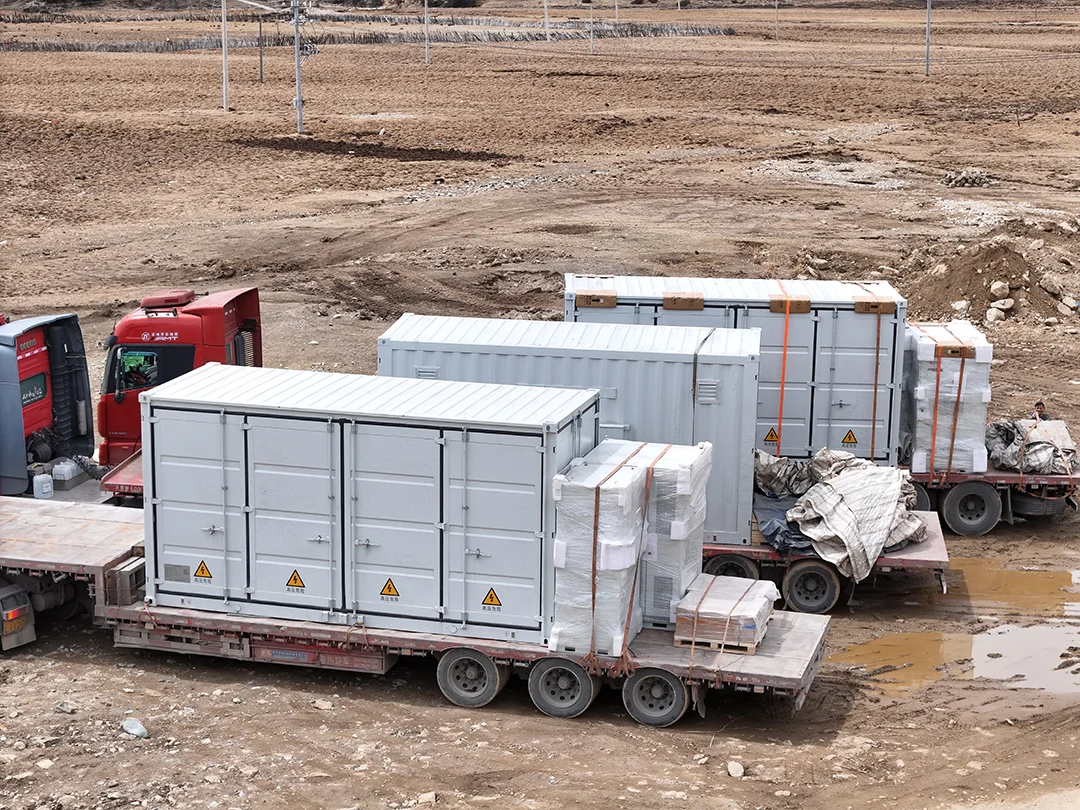
Nowadays, commercial and industrial mobile solar power generation devices have ceased to be niche products. They are increasingly being used as a source of alternative energy at construction sites, mining operations, during emergency situations, at remote facilities, military operations, and other temporary activities. In layman’s terms, it is about combining solar panels, energy storage batteries, and power supply systems in an easily transported form.
For companies working in areas where power supply is unreliable or diesel generators are expensive, the use of mobile solar systems can help save money and provide reliable power.
What Are Commercial and Industrial Mobile Solar Power Generation Devices?
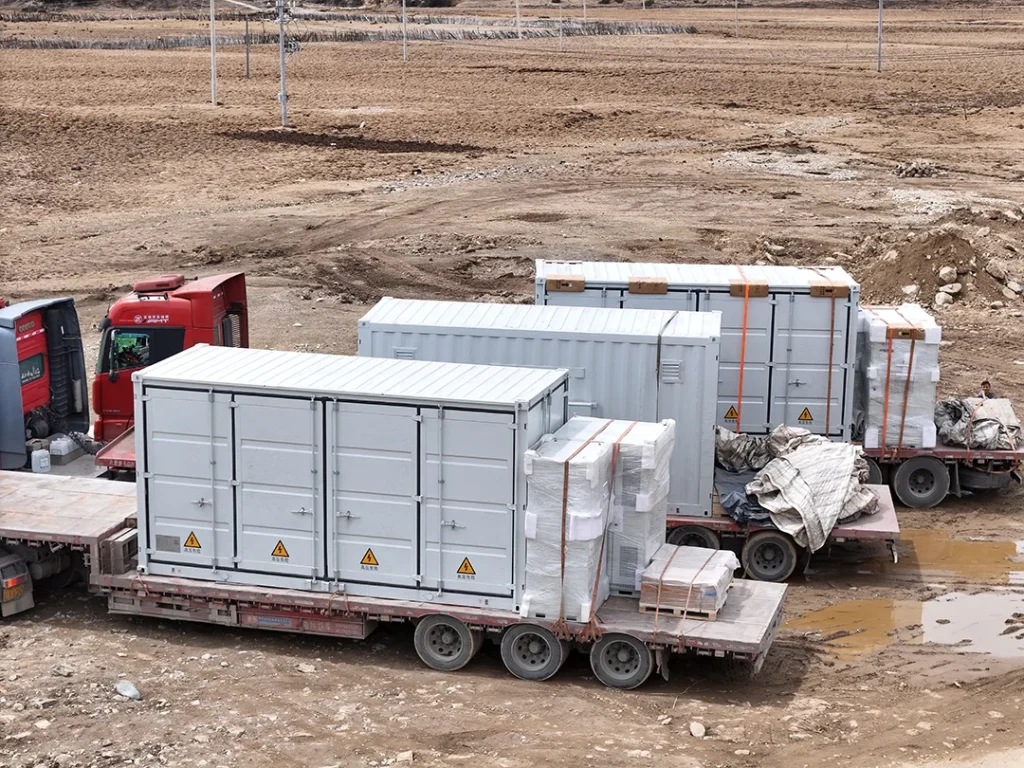
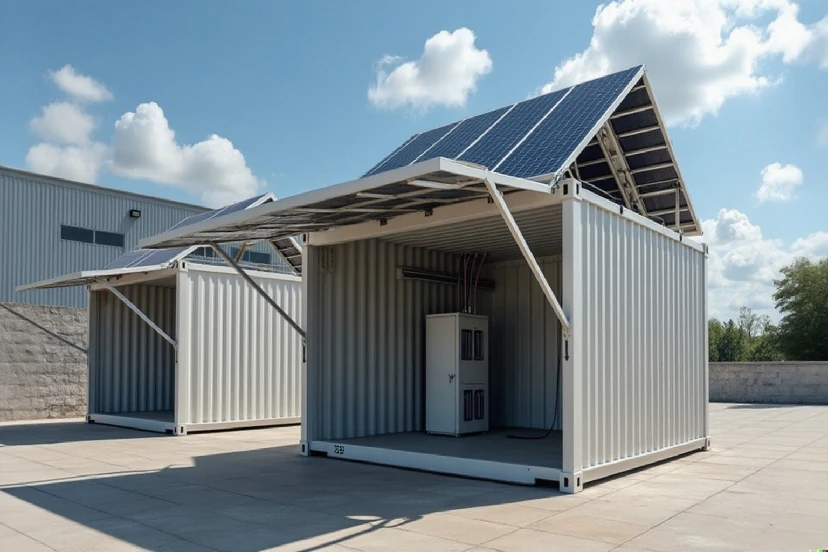
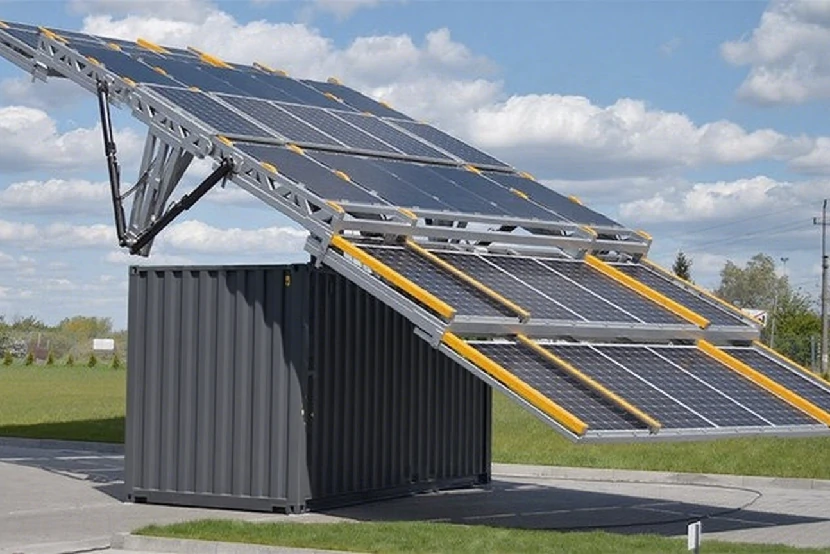
A commercial and industrial mobile solar power generation device is a portable solar system used to temporarily or semi-permanently provide electricity. Such systems are often equipped as folding photovoltaic containers or mounted on trailers.
At HighJoule, special attention is paid to mobile folding photovoltaic containers. They are designed for rapid transportation, installation, and generation of electric power in difficult conditions.
The basic elements of the device include:
- Folding photovoltaic panels
- Lithium energy storage systems
- Hybrid inverter systems
- Energy management systems
- Containers/trailers
Unlike stationary solar systems, such devices can be moved from one location to another.
Why Opt for Mobile Solar Solutions?
First of all, this technology is very flexible. The creation of infrastructure takes time and resources. Nevertheless, most mobile solar solutions can be implemented within hours or days.
Let us consider several key benefits:
1. Lower Fuel Expenses
Diesel-powered generators have high operational costs, especially when they are used in far regions since the delivery of fuel may be pricey too.
In case of using a hybrid mobile solar solution, the consumption of diesel fuel can be decreased by 50% to 90%.
2. Fast Deployment
Construction or mining projects often need instant sources of electricity. Mobile solar generators can be delivered to the location by truck and started right away.
3. Decreased Amount of Emission of Carbon Dioxide
Companies are under pressure regarding their carbon footprint reduction. This solution allows achieving sustainability goals while maintaining uninterrupted operations.
4. Flexible Capacity of Energy Production
The demand for energy changes for each project. Additional battery and PV panels can be easily added to the existing system.
Applications
Solar power generators are widely used within commercial and industrial sectors in applications ranging from the simple to complex.
Building Sites
Electricity is needed for lighting, surveillance, and power tools. The use of solar technology helps minimize noise and dependence on generators.
Mining Ventures
Remote mining ventures require electricity due to their distance from grid networks. They can be supplied by solar container systems.
Disasters and Emergencies
In times of natural disasters and emergencies such as storms, floods, and earthquakes, solar power generators can be employed immediately to supply power to hospitals and communications.
Farming
Large scale farming uses solar systems in irrigations, water treatment, electric fencing, and temporary storage facilities.
Military and Remote Locations
The use of solar technology at remote locations such as military camps ensures energy independence from fuel supplies.
Typical System Configuration
The right system size depends on energy demand, sunlight conditions, and operational duration.
Here is a simplified example of common commercial configurations:
| Application | Solar Capacity | Battery Storage | Estimated Daily Output |
|---|---|---|---|
| Small Construction Site | 30 kW | 60 kWh | 120–150 kWh |
| Mining Camp | 100 kW | 200 kWh | 400–500 kWh |
| Emergency Response Center | 50 kW | 100 kWh | 180–250 kWh |
| Industrial Backup Power | 250 kW | 500 kWh | 900–1200 kWh |
These numbers vary depending on solar irradiance, equipment efficiency, and battery management strategies.
Why Folding Solar Containers Are Getting Popular
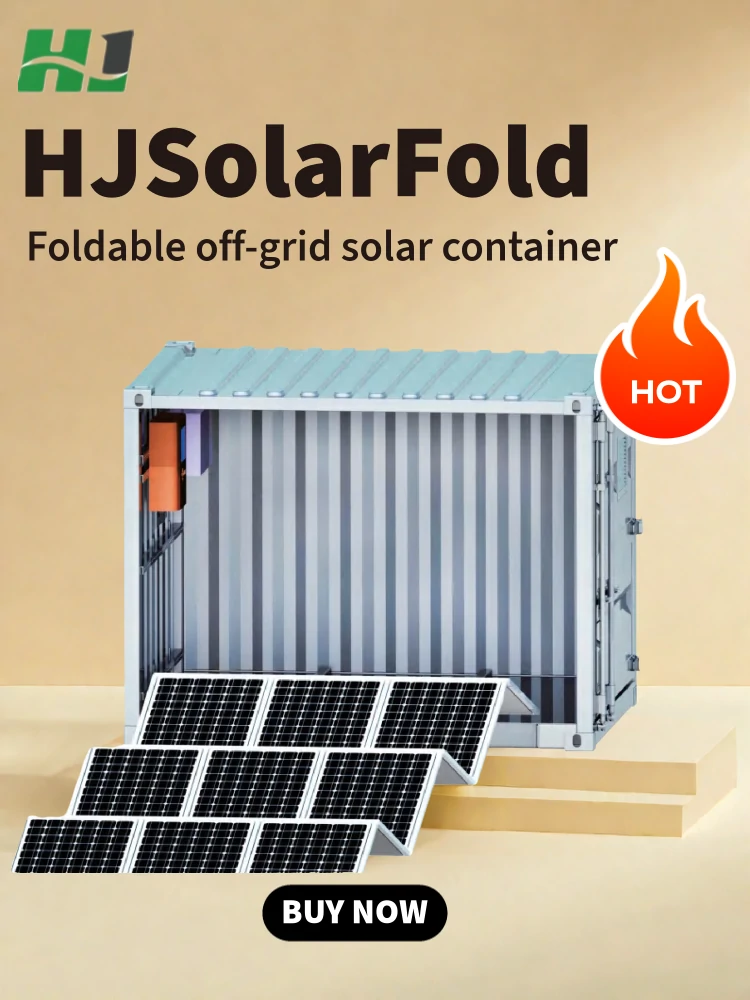
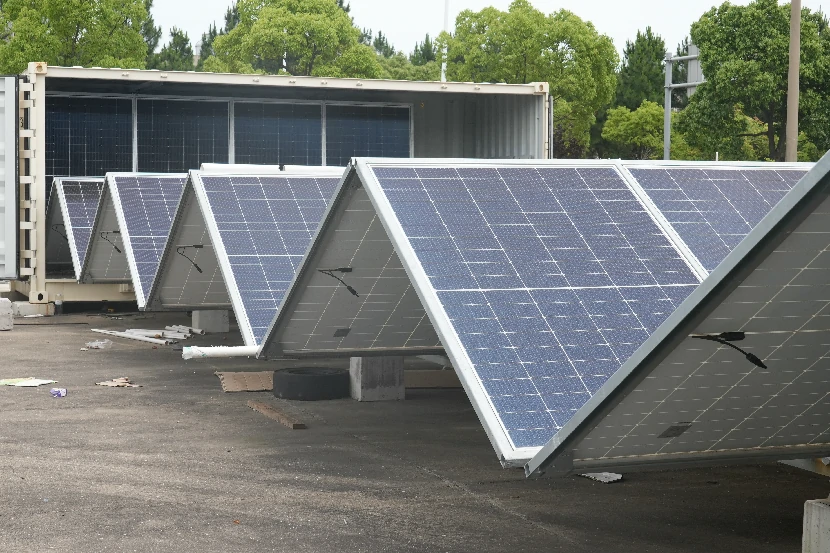
Another approach that gained popularity recently is a folding photovoltaic container.
In contrast to the use of solar panels and racks shipped separately, this technology packs all of the components inside one standard-size transport container. Then the panels can be unfolded either manually or with mechanical/hydraulic assistance when the container arrives at the destination.
The main benefits of such a solution include:
- Easy international transport
- Time-saving in terms of setup
- Increased safety of equipment during delivery
- Reduced space taken by storage facilities
- Labor-saving
From my point of view, folding solar containers solve the issue of complexity that arises in case of using temporary photovoltaic systems.
Batteries Are Critical
Energy storage is the key to any mobile solar power solution. Without efficient batteries, solar energy alone will not provide a dependable source of electricity.
The industrial sector mostly relies on LiFePO4 battery technology since it provides:
- More cycles
- Better heat resistance
- Less maintenance needs
- Enhanced safety features
Efficient battery management systems are equally vital. Inadequate battery management could lower battery longevity and pose risks during operations.
This is one of the main reasons that many industrial customers favor complete containerized energy solutions rather than assembling individual parts from different suppliers.
Key Points before Purchasing
Selecting a suitable commercial/industrial mobile solar power generator needs to be done carefully beyond just assessing the wattage rating of the panels.
Points to assess include:
Power Requirement
Determine the:
- Peak load power
- Energy requirement per day
- Backup period requirement
Transportation Conditions
The factors include:
- Access to roads
- Shipping standards for containers
- Access to cranes/forklifts
Climate Conditions
Issues that may arise from dust, humidity, snow, and temperature should not be overlooked.
Scalability
The need to expand a project later is common, hence, scalability features.
A Case Study
A remote infrastructure company in Southeast Asia recently swapped out three huge diesel generators with an innovative mobile hybrid solar container solution for their six-month bridge construction project.
From the project report:
- Fuel usage was lowered by around 70 percent
- Generator runtime was reduced from 24 hours to 8 hours each day
- There was less noise pollution
- Logistics for fuel transport was made easier
The upfront cost was more expensive than leasing diesel generators only. But the long-term savings compensated for the initial price.
Such results are likely to become more frequent with cheaper batteries and improved solar performance.
The Future of Mobile Industrial Solar
Industrial and commercial mobile solar power generators have evolved beyond their use for back-up power supply. They are now playing a central role in providing temporary and remote energy infrastructures.
Some of the key factors that will propel their usage include:
- Efficient photovoltaic cells
- Advanced energy management systems
- High-capacity batteries
- Foldable solar energy generators
- Hybrid technologies using wind and hydrogen
In cases where industries require portable power supply, mobile solar photovoltaic containers can become increasingly important within the next ten years.
Businesses like HighJoule have been instrumental in driving the evolution towards mobile solar container technology.
Contact US