
Shipping Container With Solar Panels: A Flexible Power Solution
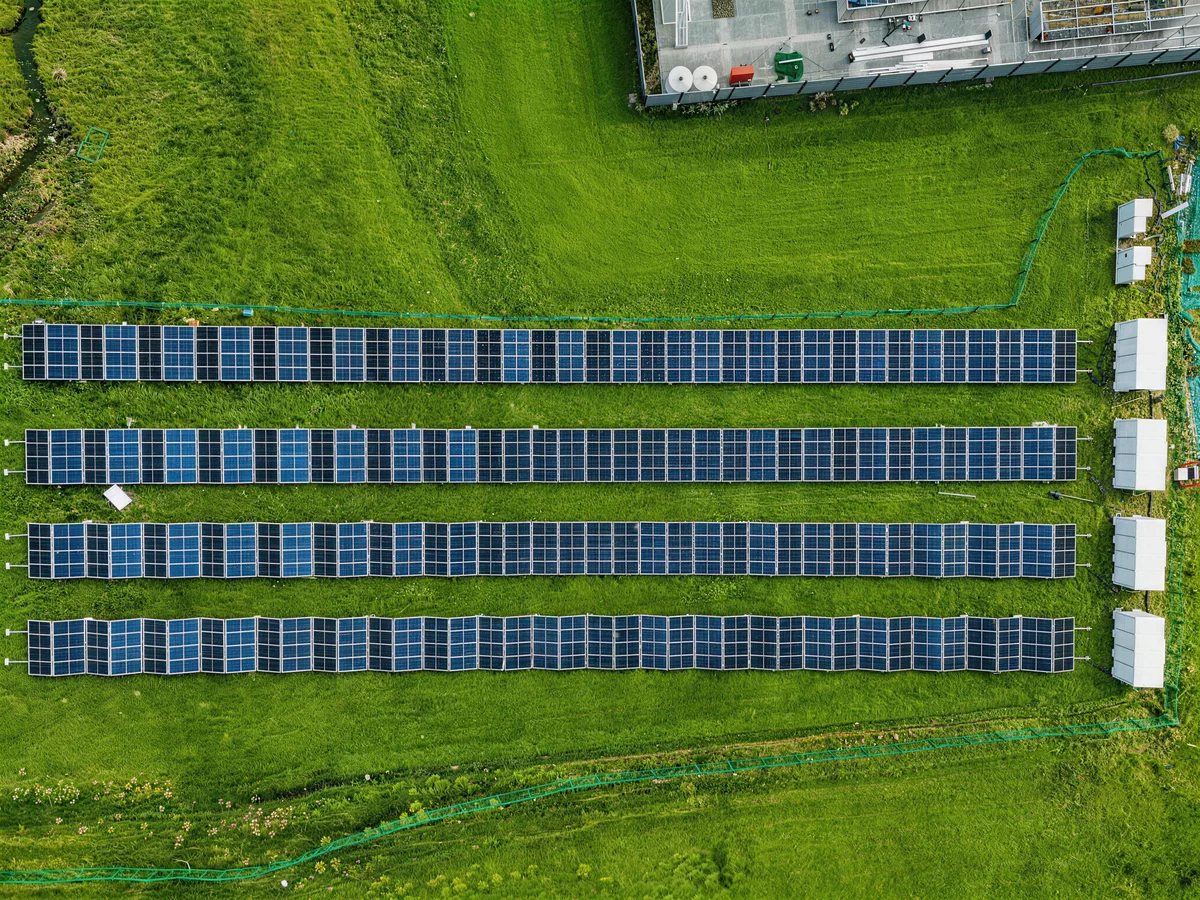
The portable solar shipping container not only functions as a generator but also consists of three critical components: the solar power source, battery storage, and the ability to be transported. Such systems have become a cost-effective alternative to diesel generators in remote places since they save on fuel, emit fewer pollutants, and need fewer maintenance actions.
Shipping containers with solar systems are especially convenient for businesses that operate away from traditional electricity sources due to fast installation and portability. The growing popularity of mobile power generators is why more and more companies are turning to them to solve their energy problems.
What Is a Shipping Container With Solar Panels?
Such shipping containers usually feature:
- Deployable or roof-top solar panels
- Battery Energy Storage Systems (BESS)
- Inverters and controls
- Backup generators if required
- Plugged electrical output options
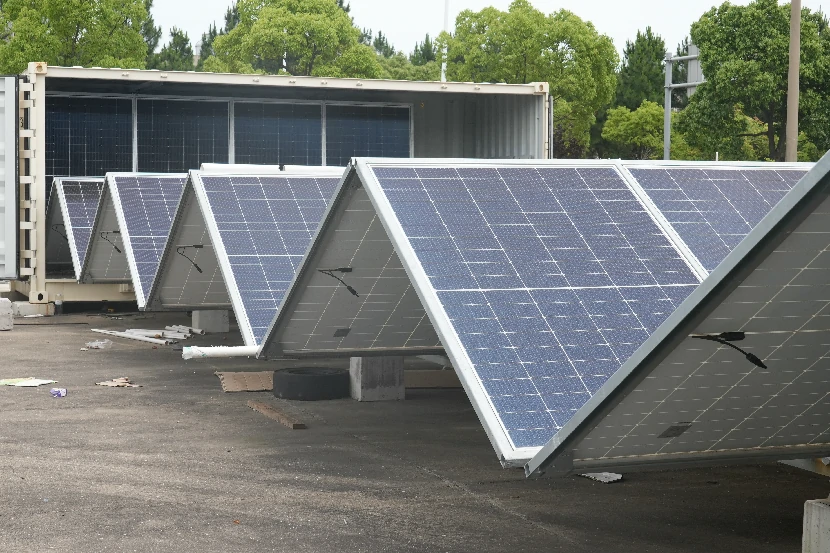
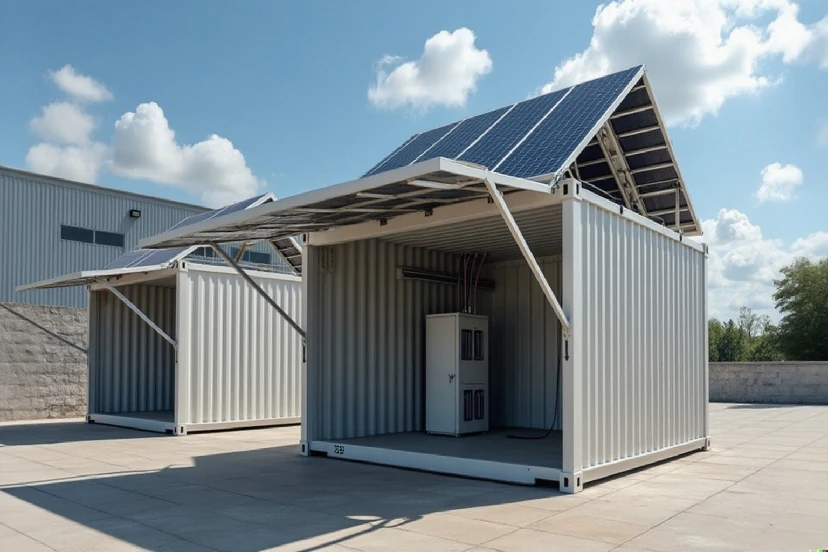
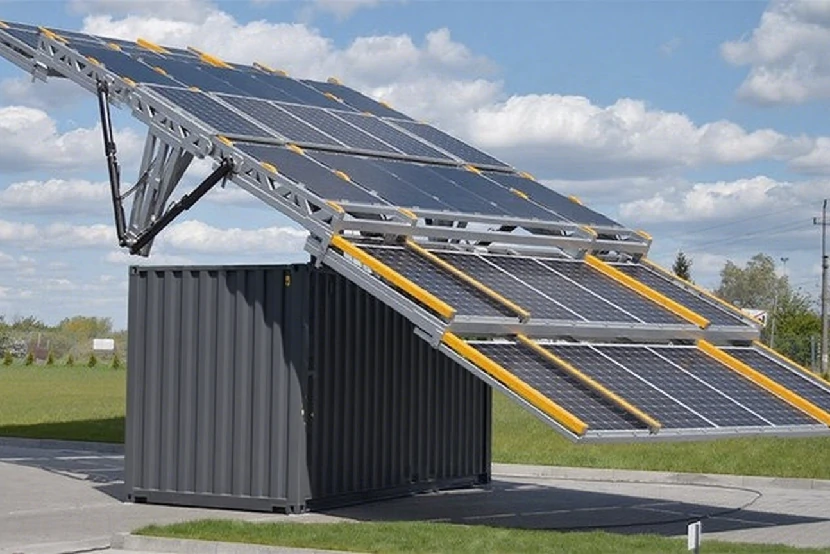
As seen above, the shipping container can act as a transport vehicle and power generation system at once. Once it arrives at the destination location, its deployable solar panels can be unfolded to achieve maximum sunlight exposure.
Modern shipping containers usually also have remote management software which allows the user to control the device via a smartphone.
Why Are Mobile Solar Containers So Popular?
The key benefit is portability. Fixed solar panels need to be installed and constructed properly. A portable solar container comes assembled and ready to go.
Here are some of the typical reasons why businesses opt for solar container solutions:
Quick Installation
Some of these units may even be functional within a single day. It’s helpful for recovery from a disaster or temporary installations.
Reduced Fuel Expenses
Generators use large amounts of fuel. Moving it in hard-to-reach places can cost a lot of money.
Hybrid solar container uses the generator much less.
Green Power
These days, a lot of companies feel pressure from various governments to produce less CO2. This is a green solution that provides energy stability.
Easy Scalability
More energy needed? Several containers can function as one microgrid.
This makes a good choice for mines, military bases, and infrastructure projects.
Common Uses
There are various uses for containerized solar power units.
Uses for solar containers
- Construction sites
- Minings
- Telecommunication towers
- Disaster relief camps
- Military camps
- Irrigation in agriculture
- Remote areas
- Open air events
From my experience, construction firms are quick adapters of the technology. Diesel costs vary on a daily basis, and they prefer a reliable and quiet energy source.
How Much Power Can a Solar Container Produce?
Power capacity depends on the size of the system, battery storage, and solar array design.
Here is a simplified comparison table:
| Container Type | Solar Capacity | Battery Storage | Typical Daily Output |
|---|---|---|---|
| 10ft Container | 10–20 kW | 20–60 kWh | Small off-grid loads |
| 20ft Container | 30–60 kW | 100–250 kWh | Medium industrial sites |
| 40ft Container | 80–150 kW | 300–1000 kWh | Large commercial projects |
Actual output varies depending on sunlight conditions, geographic location, and panel efficiency.
For example, a 40ft mobile solar container deployed in the Middle East can often generate far more electricity than the same unit operating in northern Europe.
Solar Container vs Diesel Generator
Many buyers compare solar containers directly with diesel generators.
Here is how they differ:
| Feature | Solar Container | Diesel Generator |
|---|---|---|
| Fuel Requirement | No fuel needed | Constant fuel supply |
| Noise Level | Very low | High |
| Maintenance | Relatively low | Frequent servicing |
| Emissions | Minimal | High CO₂ emissions |
| Operating Cost | Lower long-term | Higher over time |
| Deployment Speed | Fast | Fast |
Diesel generators still have advantages during long periods of poor sunlight. That is why many projects now use hybrid systems combining solar, batteries, and backup generators.
Critical Parts Within the Container
All mobile solar containers do not have the same internal components. The quality of the parts is critical to the system performance.
Solar Panels
Monocrystalline solar panels have been widely adopted since they are more efficient and take up less space.
Battery System
Lithium iron phosphate (LiFePO4) batteries have become increasingly popular due to their:
- Increased cycle-life
- Higher thermal stability
- Low maintenance
Inverter System
This device converts DC power into AC electricity. Industrial inverter systems are necessary to ensure stable performance under variable loads.
Energy Management System (EMS)
The system manages charge, battery consumption, and backup generator function.
A lack of proper energy management means that efficiency will be significantly reduced.
A Real-World Case Study
An African telecom company running a remote site switched from conventional diesel-powered systems to hybrid solar power containers. As stated in reports from industry integrators, there was a dramatic reduction in fuel usage of more than 70%.
Additionally, less maintenance is required since the equipment can be controlled via remote monitoring.
This is an important advantage that is not always considered. Maintenance costs may even end up being more expensive than fuel costs in certain cases.
Questions Buyers Should Consider Before Making a Purchase
Selection of the appropriate system involves considerations beyond comparison of panel wattage.
The following questions are essential for buyers to consider:
- How much power will be needed daily?
- How many cloudy days should the battery support?
- Will the system remain permanently or temporarily installed?
- Is there difficulty transporting?
- Should silent operation be guaranteed?
It is equally important to analyze the environmental factors. Different considerations exist for desert, coast, and cold regions.
HighJoule Mobile Solar Containers
As the need for mobile solar containers increases due to their clean energy nature, HighJoule is increasingly turning its attention towards the development of mobile solar containers that can be deployed easily.
HighJoule mobile solar containers include:
- Foldable solar panels
- Battery management system
- Energy storage scalability
- Hybrid and off-grid modes
Such mobile solar containers are especially applicable to infrastructure projects and other projects where access to the conventional grid is either unavailable or unreliable.
Future Trends for Solar Containers
There are several industry trends that are influencing solar container development in the future:
Increased Energy Storage
Advancements in battery technology result in an increased number of batteries stored within each container.
Advanced Monitoring
Artificial Intelligence platforms help detect and prevent system failures before they happen.
Quick Deploying Design
Solar panels are becoming easier to set up due to simpler folding designs.
Diversification into Microgrids
Many systems are combining solar power with wind turbines or hydrogen storage.
In a lot of ways, solar containers have progressed beyond simple backup generators and are developing into complex microgrid solutions.
It is expected that the move towards a microgrid solution would only increase as costs go up and off-grid power becomes more widely used around the world.
Contact US