
What Is the Average Cost of Solar Containers?
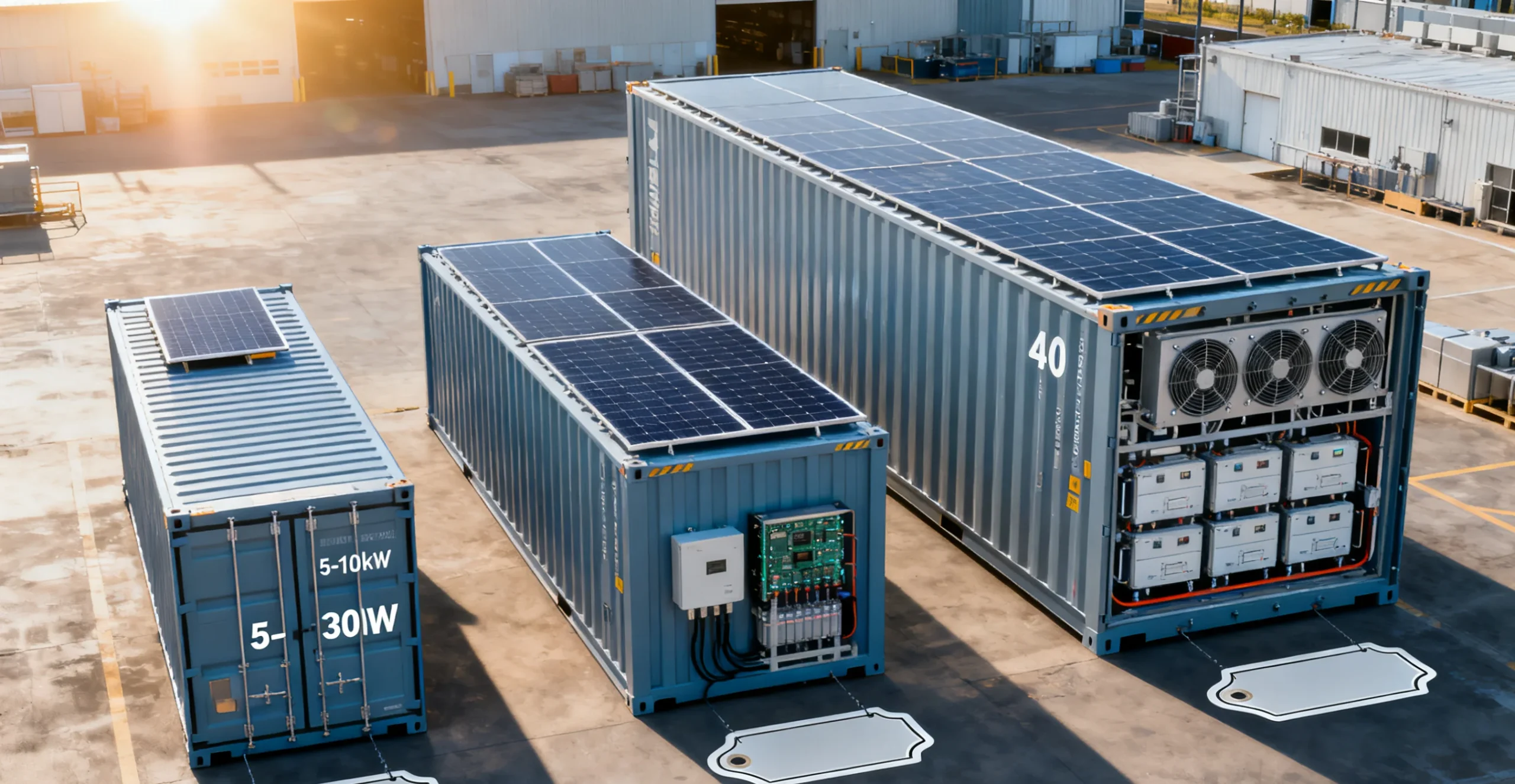
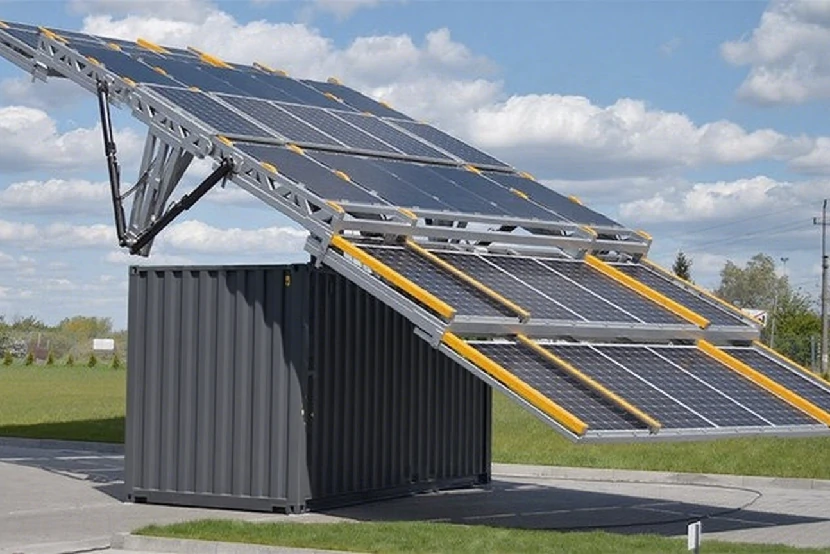
A solar container is a shipping-container or similar enclosure that hosts a complete solar-plus-storage system: PV panels, battery storage, inverters or charge controllers, wiring, and safety equipment. Due to the fact that this configuration bundles generation, storage, and physical housing into a single unit, there can be great variations in total cost according to capacity, storage size, container modifications, and installation requirements. Below I outline typical cost ranges, the main factors affecting cost, and how existing PV-plus-storage benchmarks can help estimate containerized solutions.
Typical Cost Ranges for Solar Containers
Because there isn’t a universal standard for “solar container,” exact prices vary by vendor, region, and specifications. Combining the publicly available cost benchmarks for PV + storage with reported market data on the pricing of container-based battery storage units, rough estimates range from:
| Container / System Type (approximate) | Approximate Installed Cost (USD) |
| Small container, modest storage (e.g., small battery + modest PV) | ~ US$ 30,000–45,000 |
| Medium container, moderate storage + PV | ~ US$ 45,000–70,000 |
| Large container with considerable storage (e.g. 200–500 kWh) | ~ US$ 85,000–140,000+ |
The above high-capacity range was derived from recent market data for containerized storage containers in the range of size from 200-500 kWh.
Smaller, modest setups-for light off-grid use-tend to lie toward the lower ends of that scale, though actual prices depend heavily on storage, PV size, and equipment included.
Why the Cost Varies Widely: Key Price Drivers
Several factors drive the variation in cost for solar container systems:
- Battery storage capacity and chemistry: Large storage (hundreds of kWh) containers are more expensive because of the cost of batteries and the management system.
- Solar generation capacity-PV size: larger PV arrays require more panels, larger inverters or charge controllers and more robust mounting and wiring.
- Container modifications and balance-of-system (BOS) components: A standard shipping container often needs upgrades: Weatherproofing, structural reinforcement, ventilation or thermal management, electrical safety equipment, and rack/rail mounting for PV or batteries. These adaptations add extra cost beyond typical rooftop or ground-mounted PV systems.
- Integration complexity and installation logistics: Integrating PV, storage, and container structure into a single mobile or modular unit generally requires more complex integration and labor than in the case of a standard PV or battery system.
- Economies of Scale and System Sizing: Larger systems, whether in terms of storage or PV, will tend to have lower costs per kWh or per watt due to economies of scale. Smaller, one-off containers may carry higher per-unit costs.
Due to these factors, a “solar container” remains more expensive upfront than a simple rooftop PV system with storage — but its modularity, ease of deployment and enclosed housing for storage give it advantages in certain use cases.
What Established PV-Plus-Storage Benchmarks Tell Us
While these widely accepted cost benchmarks for rooftop or ground-mounted PV + storage systems do not exactly target containerized units, they do offer a point of reference toward which container cost estimates can be based. For instance, for an 8 kW DC rooftop PV system with a 5 kW/12.5 kWh energy storage system (ESS), according to NREL, the total installed cost is significantly higher than that of the PV-only system.
These benchmarks show that combining PV and storage adds a premium over standalone PV — that premium reflects additional hardware, installation, wiring and safety equipment. When you then add containerization — modification of a container, ensuring enclosure, ventilation, cabling, structural integrity — the cost naturally rises further.
It follows that a solar container system can be roughly approximated as “PV + storage + container housing + integration overhead”, hence why small to mid-range containers may start at tens of thousands of dollars, while fully equipped storage containers easily exceed US$ 80,000.
When Solar Containers Make Sense: Use Cases
Solar containers tend to make the most sense in scenarios such as:
- Remote or off-grid sites where grid connection is either unavailable or unreliable
- Temporary or mobile deployments (e.g. remote worksites, disaster relief camps, field operations)
- Applications requiring both generation and storage in a single, compact, easily transportable unit
- Where installation of infrastructure or groundwork for standalone solar or storage installation is not practical
In such contexts, the convenience and modularity of a containerized system may provide an adequate justification for its higher cost over conventional PV + storage systems.
What to Check When Evaluating a Solar Container Offer
If you’re considering purchasing a solar container, make sure you ask:
- What is the capacity of the battery, in kWh, and type?
- What is the PV generation capacity in kW?
- What components comprise the following: inverters, wiring, safety, thermal management, and monitoring?
- Is container modification included-weatherproofing, structural work, ventilation?
- Does the price include delivery, installation, and commissioning?
- What is the expected lifetime and maintenance requirements of storage and container housing?
Clear answers to these questions help you compare offers and avoid paying for a “container shell + panels only” when what you need is a fully functional power and storage unit.
Overview
A solar container offers a compact and versatile way to deliver solar power and storage in a single package. Cost estimates based on available data and market examples are listed below:
Small, modest systems: ~ US$ 30,000–45,000
Medium systems: ~US$ 45,000–70,000
Large storage-integrated containers: ~ US$ 85,000–140,000+
Costs vary due to differences in battery size and chemistry, PV capacity, container modifications, systems integration, and installation complexity. While containerization adds cost versus standard PV + storage systems, it creates value where modularity, mobility, or rapid deployment may be required.
Contact US