A solar system refers to a complete photovoltaic power generation setup that converts sunlight into usable electricity through an integrated combination of solar panels, inverters, mounting structures, and electrical control components. It is widely applied in residential, commercial, industrial, and utility scale power generation projects.
As a core form of renewable energy infrastructure, a solar system enables users to generate clean electricity on site, reduce dependence on traditional grid power, and lower long term energy costs while supporting low carbon development.
A standard solar system typically consists of photovoltaic modules for power generation, a solar inverter for power conversion, and a mounting structure for system installation. Depending on application requirements, it may also include batteries, charge controllers, monitoring platforms, and protection devices.
In grid connected applications, the system supplies electricity directly to loads and exports excess power to the utility grid. In off grid and hybrid configurations, energy storage is added to ensure continuous power supply during nighttime or low irradiance conditions.
In residential environments, a solar system supports daily household electricity needs, reduces utility bills, and improves energy independence. In commercial and industrial sectors, it is widely used in factories, logistics centers, office buildings, and data centers to manage long term energy costs and enhance power reliability.
In remote and infrastructure projects, solar systems replace or supplement diesel generators, delivering clean electricity for telecommunications, mining operations, transportation facilities, and public services where grid access is limited or unstable.
From an economic perspective, a solar system offers predictable energy generation costs and protection against electricity price volatility. From an environmental perspective, it significantly reduces carbon emissions and air pollution. From a strategic perspective, it strengthens energy security and supports the transition toward decentralized and sustainable power systems.
With continuous advances in photovoltaic efficiency, inverter technology, and energy storage integration, the solar system will remain a fundamental pillar of global clean energy development and future power system modernization.
Solar Systems represents a category of solutions, technologies, or insights related to this topic. It is important because it helps users better understand key concepts, applications, and benefits within this field.
Applications of Solar Systems are commonly found in commercial, industrial, and project-based environments. It is typically used to improve performance, optimize workflows, or support technical decision-making.
Key advantages include improved efficiency, reduced costs, enhanced reliability, and better long-term results. Depending on the context, it may also support flexibility, scalability, and optimized resource utilization.
Choosing the right Solar Systems solution depends on your requirements, budget, expected project scale, and performance needs. Comparing features and reviewing real-world use cases can help you make an informed decision.
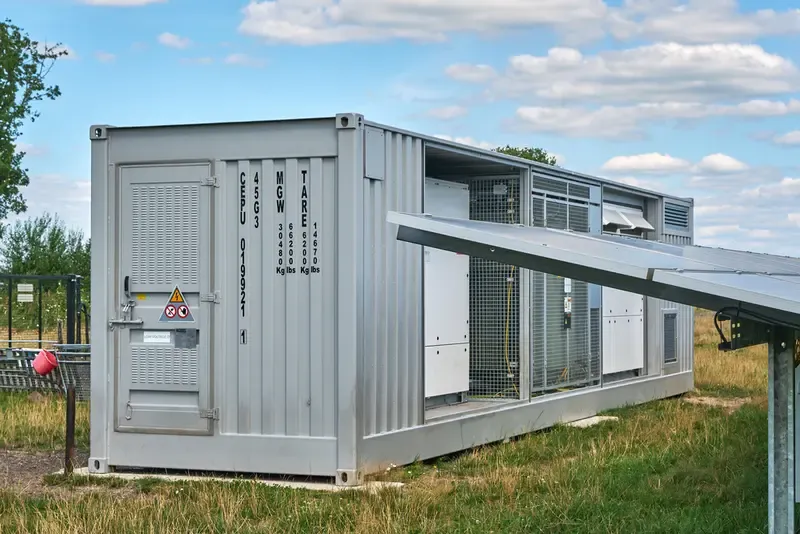
Explore how solar container and solar shipping container systems support Indonesia’s planned 100 GW solar growth with scalable power infrastructure.
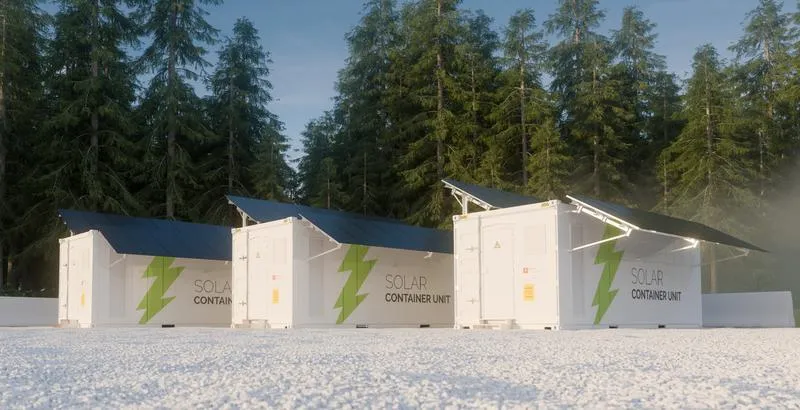
Compare 10ft, 20ft, and 40ft solar container designs for ESS projects. Learn how footprint size affects cost, scalability, and deployment efficiency.
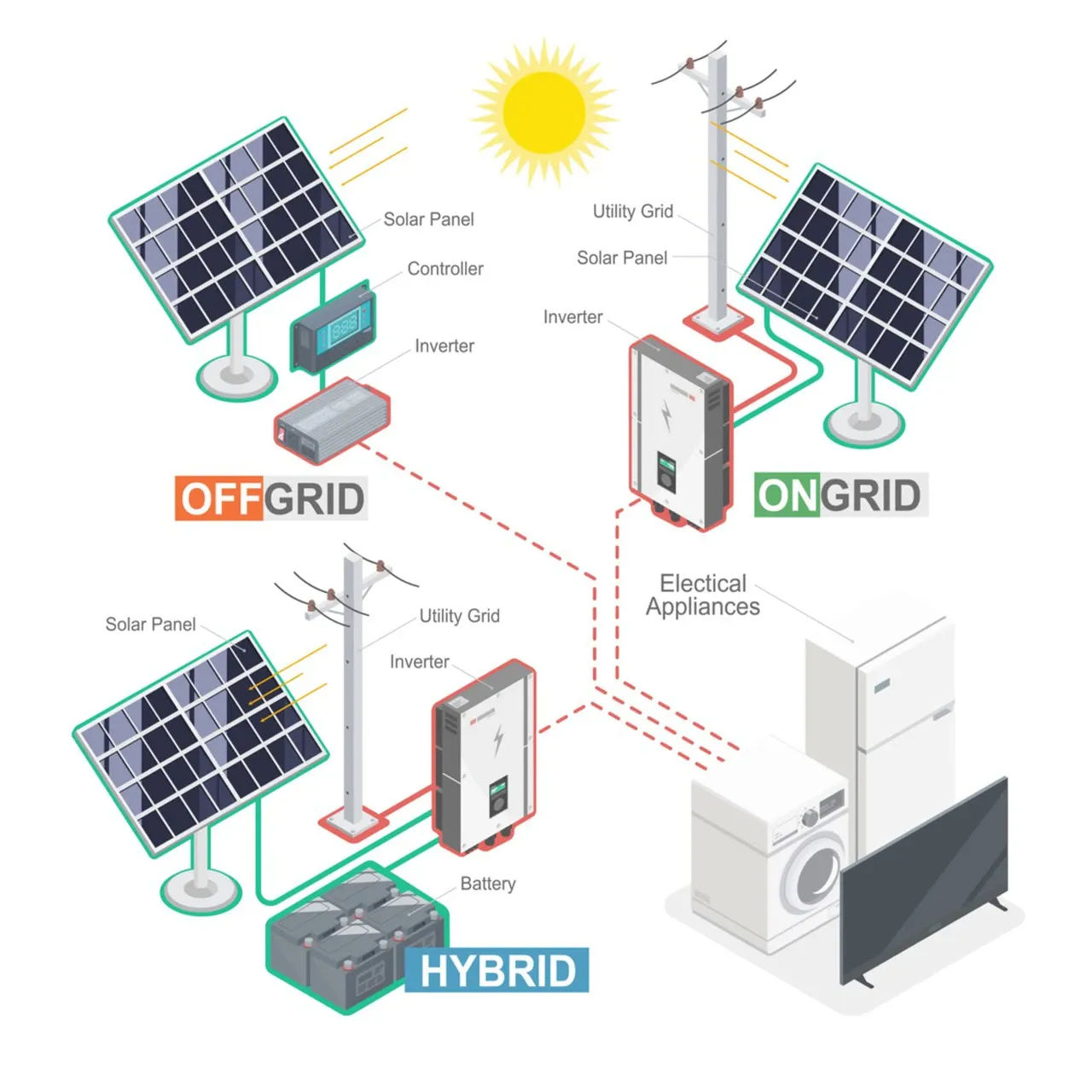
Learn what an on grid solar system and off grid solar system are, how they work, key differences, costs, and which option fits your energy needs.
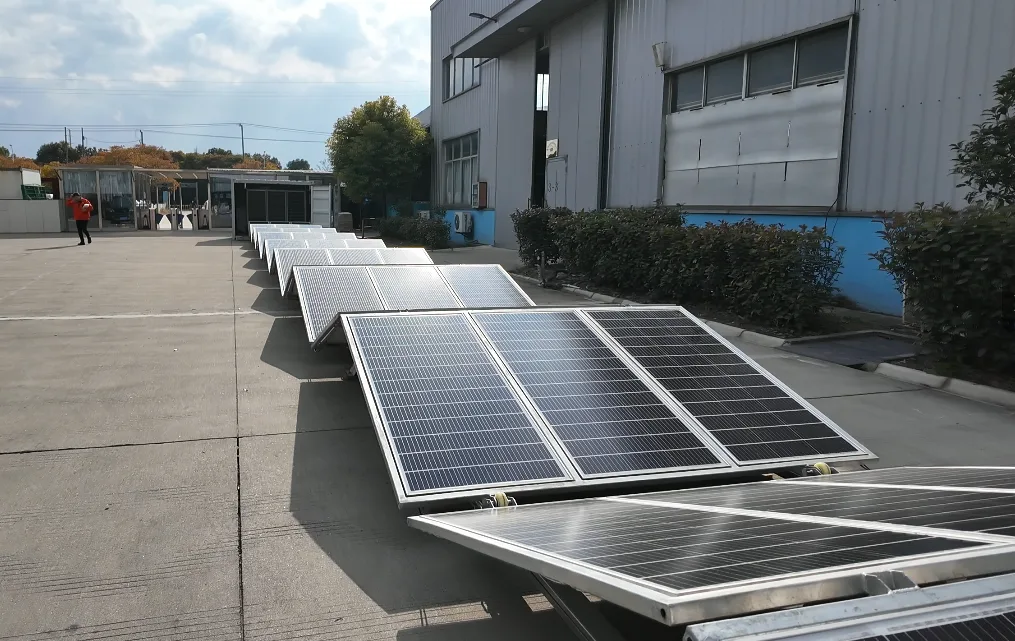
Explore how a shipping container solar system differs from conventional off-grid solar setups in design, deployment, and use cases, with insights from sustainability research and off-grid energy fundamentals.
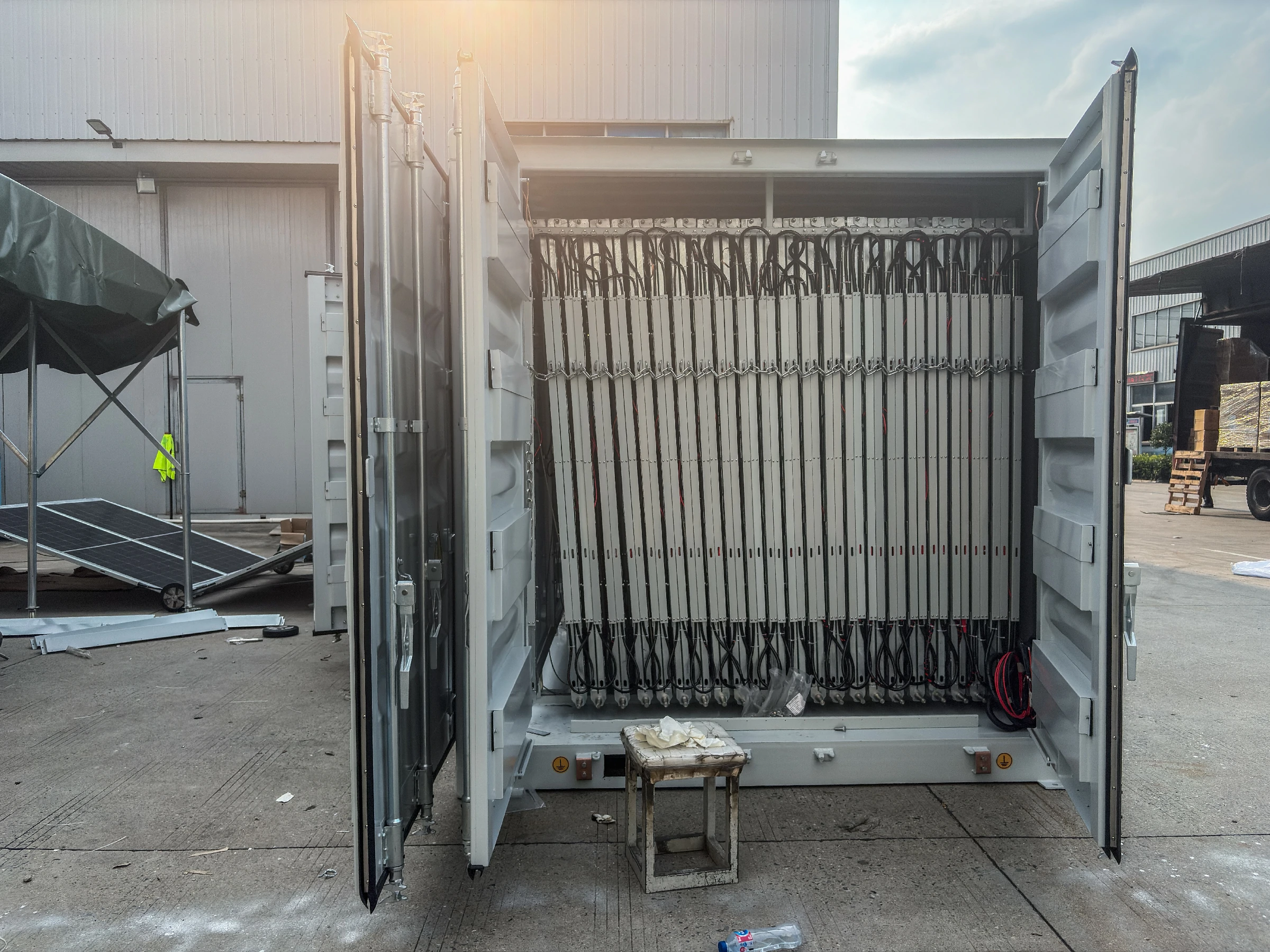
Learn how a solar container supports mining operations with reliable off-grid power, reduced fuel costs, and scalable energy for remote sites.
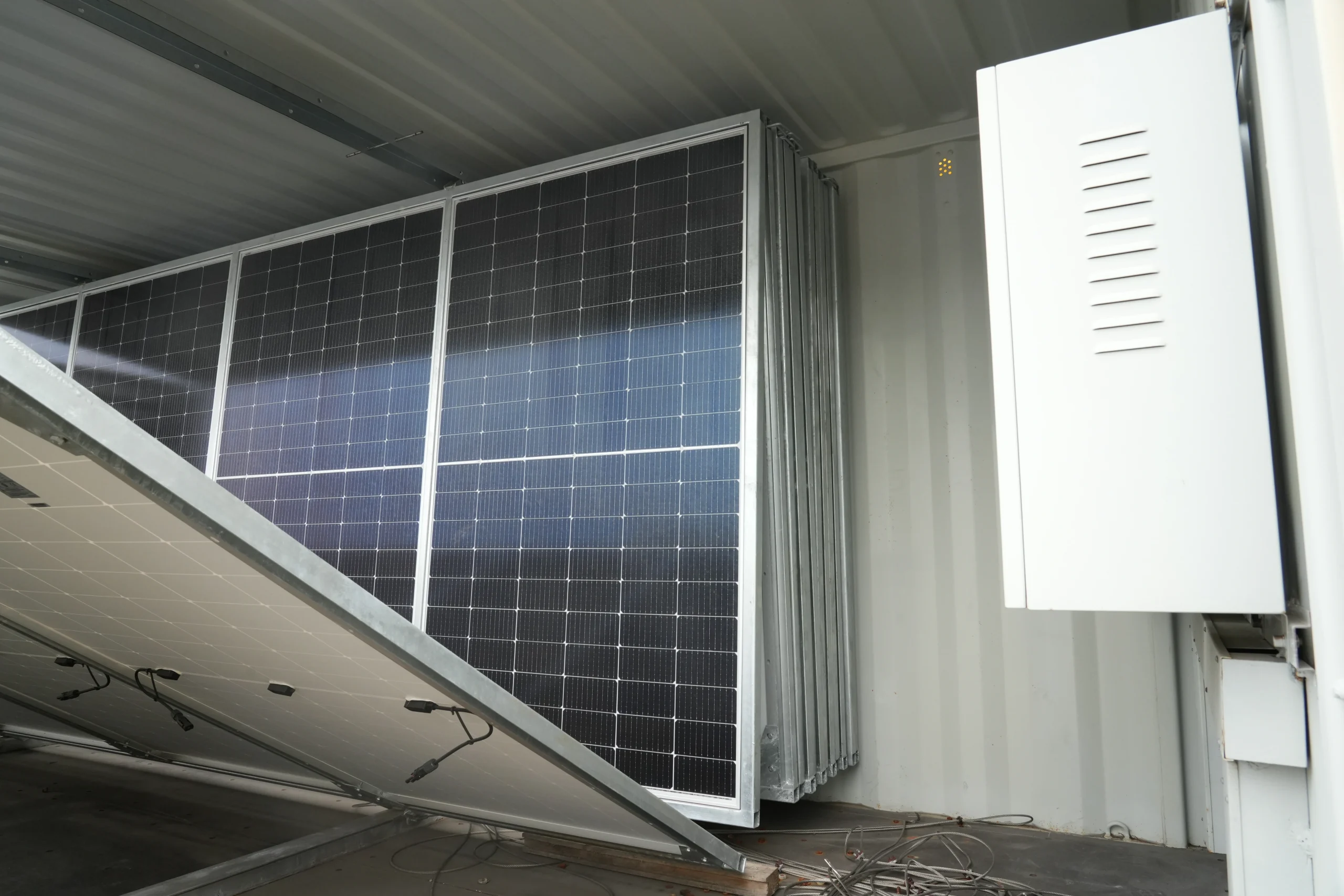
Learn how much it costs to ship solar panels in a shipping container, with real cost drivers, examples, and practical planning tips.
Get in Touch to Power Your Project with Sustainable Energy